
Zermatt Village Guide
How the car-free village fits together on the floor of the valley — the Bahnhofstrasse spine, the old timber Hinterdorf, the church and cemetery, the river, the museum and the angles on the Horu.

Photo: Miguel Joya / Unsplash
- ✓Zermatt is a single long village on the valley floor at 1,608 m — small enough to walk end to end in well under half an hour.
- ✓The Bahnhofstrasse is the spine: shops, restaurants, hotels and après-ski running from the station toward the Matterhorn.
- ✓The Hinterdorf is the old heart — centuries-old timber barns raised on round stone discs to keep out mice and damp.
- ✓Car-free since 1961: it's foot, e-bus and silent electric taxi, with the Matterhorn closing the view down many a street.
The shape of the village
Zermatt is not a town you get lost in. It is essentially one long village strung along the floor of the Mattertal at 1,608 m, with the river Matter Vispa running through it and the Matterhorn — the Horu — closing the view at the southern end. You can walk from the station to the far edge of the village in well under half an hour, and almost everything worth seeing is on or just off the central street. Once you grasp that single spine, the place orients itself.
It has been car-free since 1961. The public road ends down the valley at Täsch, and you arrive by rail; inside the village it is foot, electric e-buses and the silent battery taxis that meet the trains. That absence of traffic is the first thing visitors notice and the thing they remember — the loudest sound on the Bahnhofstrasse at dusk is footsteps and conversation, not engines.
This guide walks you through the parts that make the village a destination in its own right, beyond the lifts. If you would rather follow it as a continuous route on the ground, our self-guided village walk threads them together in order.

The Bahnhofstrasse: the spine of village life
Step out of the station and the Bahnhofstrasse runs away in front of you — the main street and the social and commercial heart of Zermatt. It is lined with watch and jewellery windows, outdoor and ski shops, bakeries and chocolatiers, fondue stuben and grand hotels, and at dusk it fills with the slow drift of people coming off the mountain. This is where the village does its shopping, its dining and its après-ski, and where the Matterhorn appears, framed at the end of the street, as a reminder of why everyone is here.
It rewards an unhurried evening. Our dedicated street guide goes shop by shop and gives the practical orientation; here it is enough to know that it is the axis you measure the rest of the village against.
The Hinterdorf: the old timber village
Slip off the main street and you find the Hinterdorf, Zermatt's oldest quarter and the most atmospheric few minutes in the village. Here the buildings are sun-blackened larch — barns, grain stores (Stadel) and old dwellings, some three or four centuries old — raised on round flat stone discs set on stilts. Those discs are mouse-stones: a clever piece of mountain engineering that kept rodents from climbing into the stored grain and hay, and that lifted the timber clear of the damp ground.
It is a living quarter, not a museum set, so wander quietly and respect that people still live and work here. There is no admission and no opening time; it is simply there, off the bustle, a reminder that long before the lifts and the grand hotels this was a hard-working Walliser farming village clinging to the head of a remote valley.

The church, the cemetery and the museum
At the centre of the village stands the parish church of St. Mauritius, and beside it the mountaineers' cemetery — one of the most affecting places in Zermatt. Here lie many of those who died on the surrounding peaks, including members of Edward Whymper's party, four of whom fell to their deaths during the descent from the first ascent of the Matterhorn on 14 July 1865. The headstones, several inscribed in English and German with the dates and circumstances of climbs that went wrong, are a quiet counterweight to the glamour of the lifts above.
The story is told in full at the Matterhorn Museum, known as Zermatlantis, built partly underground around a reconstruction of the old village. Its centrepiece is the broken rope from that 1865 descent — the physical relic of the disaster that made the Matterhorn famous around the world. Between the church, the cemetery and the museum you can spend a thoughtful couple of hours and come away understanding why this peak, and this village, carry the weight they do. Check the museum's current opening hours before you go, as they vary by season.
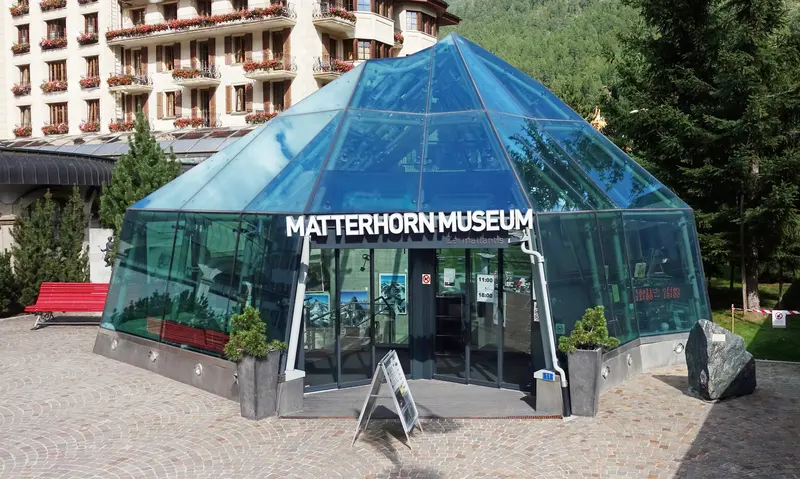
The river, the bridges and the Matterhorn angles
The Matter Vispa runs grey-green and fast through the village, fed by the glaciers above, and the bridges that cross it are among the best places to stand still. The Kirchbrücke, the church bridge near the centre, is the classic spot to line up the river leading the eye straight toward the Matterhorn — a composition you will see on a thousand postcards and which is genuinely best at first light, when the peak catches the earliest pink.
Beyond the bridges, the village edges climb gently toward Winkelmatten, a quieter residential shoulder with a small chapel and a calmer pace, and toward the lift bases. Wherever you walk, keep glancing south: the Horu reveals itself at the ends of streets and over rooftops, and the changing light on it through the day is reason enough to be out.

At a glance
A quick orientation card. Verify opening hours and seasonal details on the official sites before you go.
- Village altitude: 1,608 m, on the floor of the Mattertal beneath the 4,478 m Matterhorn.
- Car-free since 1961 — foot, e-bus and silent electric taxi only.
- Walkable end to end in well under half an hour.
- Main street: the Bahnhofstrasse, running from the station toward the peak.
- Old quarter: the Hinterdorf, with centuries-old timber Stadel on stone mouse-discs.
- Key sights: parish church of St. Mauritius, the mountaineers' cemetery and the Matterhorn Museum (Zermatlantis).
- Best Matterhorn-from-the-floor shot: the Kirchbrücke at first light.


How the village came to be car-free
The single thing visitors remember most about Zermatt — the quiet, the absence of engines, the silent electric taxis gliding past — is no accident, and understanding it deepens the visit. The village banned combustion cars in 1961, a decision driven partly by a wish to protect the clean mountain air on which its reputation as a health and mountaineering resort was built, and partly by the simple fact that the valley was always reached by rail rather than road. The public road up the Mattertal still ends down the valley at Täsch, where visitors leave their cars in the multi-storey car parks and complete the last stretch by train. Inside Zermatt, movement is by foot, by the small village e-buses that loop between the lift stations, and by the battery-powered electric taxis and hotel carts that meet the trains and ferry luggage to the door.
The effect on the experience is profound and easy to underestimate until you arrive. With no traffic noise and no exhaust, the village has a calm that ordinary resorts cannot buy back, and the soundscape — church bells, footsteps, the rush of the river, the occasional whir of an electric cart — is part of the charm. It also shapes practical planning: pack light or be ready to let your hotel's cart handle the bags, expect to walk almost everywhere within the village, and remember that the car-free rule is the reason a world-famous resort still feels, in its bones, like the mountain village it has always been.
- Combustion cars banned since 1961 to protect the clean mountain air.
- The public road ends at Täsch; arrive by train for the final stretch.
- Inside the village: foot, e-buses, silent electric taxis and hotel luggage carts.
- The quiet is the village's signature — pack light and plan to walk.


The village through the seasons
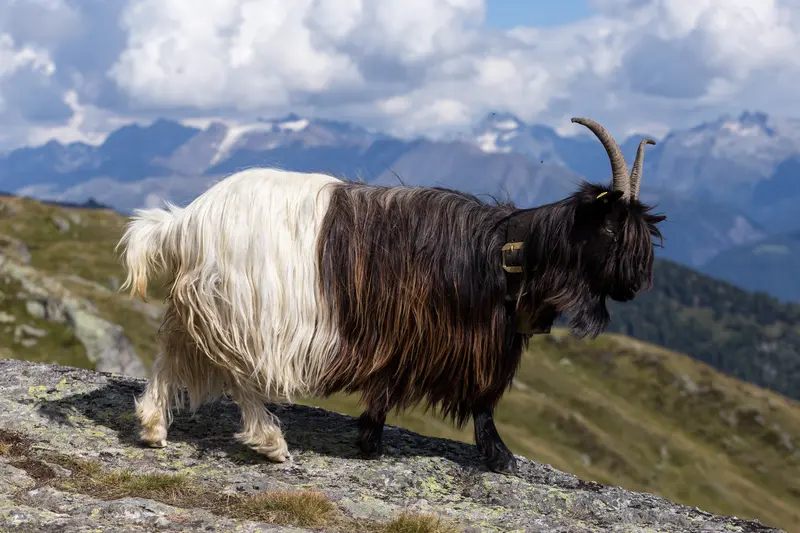
The same compact village wears two quite different faces across the year, and knowing which you are visiting helps set expectations. In winter, Zermatt is a snow-dusted ski town: the Bahnhofstrasse glitters with lit windows and frost, the après crowd drifts between bars in ski boots, the floodlit Matterhorn presides over the rooftops at night, and the whole place runs at the high pitch of peak season around Christmas, New Year and the February holidays. In high summer, the snow pulls back to the high glaciers, the meadows above the village turn green and flower-strewn, the goat parade clatters up the main street on summer mornings, and the mood is gentler and more outdoor — hikers and families rather than the ski-resort buzz.
The shoulder seasons reward a particular kind of visitor. Late spring and late autumn are the quietest and cheapest weeks, when some shops, restaurants and lifts run reduced hours or close between the two main seasons, and the village belongs more to locals than to crowds. Those weeks trade buzz and full-throttle infrastructure for calm, easy reservations and a more authentic glimpse of everyday Zermatt. Whenever you come, the bones of the village — the spine of the Bahnhofstrasse, the timber Hinterdorf, the church and cemetery, the river and the angles on the Horu — stay constant; it is the light, the crowds and the colour of the slopes that change.
- Winter: a lit, snowy ski town at its busiest around Christmas, New Year and February.
- Summer: green meadows, the goat parade and a gentler, outdoor, family-and-hiker mood.
- Shoulder seasons: quietest and cheapest, with some closures and a more local feel.
- The village's bones stay constant year-round — only the light, crowds and slopes change.


Self-Guided Zermatt Village Walk
A gentle, step-by-step loop on the valley floor linking the station, the Bahnhofstrasse, the old timber Hinterdorf, the church and cemetery, the river bridges and the best Matterhorn angles.
Read guide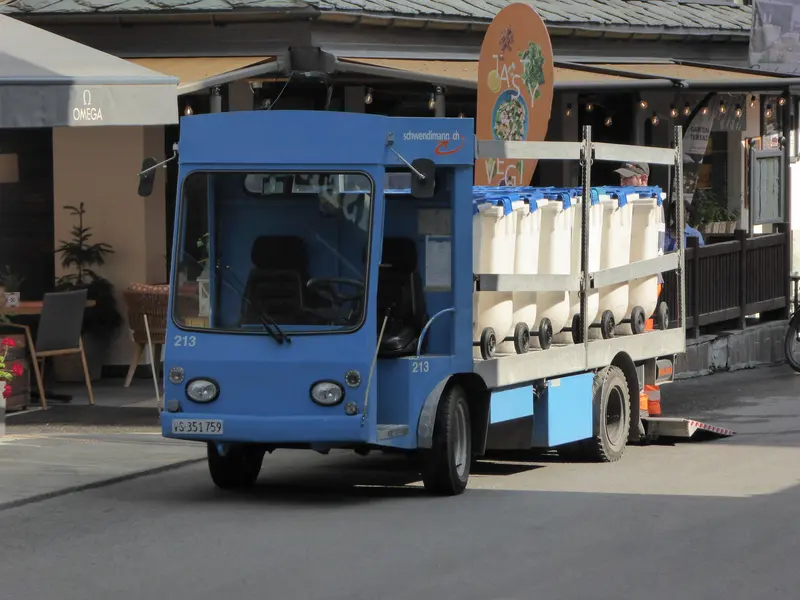
Bahnhofstrasse Zermatt Guide
The spine of the car-free village — the shops, restaurants, hotels and après-ski energy of Zermatt's main street, with practical orientation from the station to the Matterhorn.
Read guide
Where to Stay in Zermatt
Area-by-area advice for choosing a base in car-free Zermatt — station convenience, Matterhorn views, ski-lift access, quiet corners, families, luxury and the Täsch tradeoff — from Walliser chalets to grand hotels.
Read guideMore in Things to Do
6
Best Photo Spots in Zermatt
Matterhorn photo locations from the village bridges, Gornergrat, Riffelsee, Stellisee and Rothorn, with sunrise routes and reflection timing.
Read guide
Best Things to Do in Zermatt
A ranked, first-trip shortlist for a car-free resort under the Matterhorn — the ascents, walks, ski days and long mountain lunches worth building a trip around.
Read guide
Free Things to Do in Zermatt
Village walks, Matterhorn photo spots, churches, old Walliser houses, riverside paths and low-cost ways to enjoy an expensive alpine resort for nothing.
Read guide
Rainy Day Zermatt
Museums, spas, cafés, fondue, hotel lounges, scenic trains, short walks and lift-backup logic for making the most of bad weather in the mountains.
Read guide
Swiss National Day in Zermatt
How Zermatt marks Swiss National Day on 1 August — flags and bunting on the Bahnhofstrasse, music and food, the lakeside gathering at Leisee, family planning and the village's car-free festivity beneath the Matterhorn.
Read guide
Zermatt Folklore Festival
What the Zermatt Folklore Festival is and how to plan around it — traditional Valais costumes, alphorns and flag-throwing, the village atmosphere, August hotels and a hiking-and-folklore weekend beneath the Matterhorn.
Read guide