
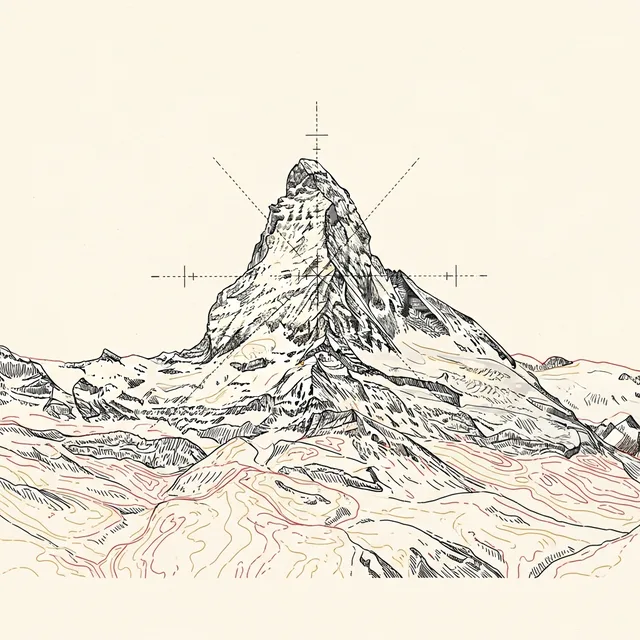
Hiking & summer in Zermatt
The hub for Zermatt in the green season — the Five Lakes Walk, the Matterhorn Glacier Trail, the Gornergrat ridge and the mirror lakes, plus family walks, biking, trail running, summer skiing and the safety that high alpine ground demands.

Photo: Manuel Hodel / Unsplash
- ✓More than 400 km of marked trails fan out from the village and the lift stations — one of the densest networks in the Alps.
- ✓The Zermatt way is to ride a lift for the height and walk a traverse, so a half-day on foot can hold a whole panorama of four-thousanders.
- ✓Stellisee, Riffelsee and Grindjisee mirror the Matterhorn on a still morning — the green season's signature reward.
- ✓The walking season runs roughly June to October, with the golden larches of late September and October a quiet favourite.
- ✓Even a gentle marked trail is high alpine ground — check the weather, carry layers, and start early.
The other Zermatt
Most people picture Zermatt under snow, but the green season may be the village at its most generous. When the white pulls back from the slopes, it uncovers one of the densest trail networks in the Alps — more than 400 km of marked paths threading meadows, larch woods, glacier moraines and a string of mirror lakes, all of it gathered under the same single, perfect peak. The Matterhorn that presides over the ski season presides over the hiking one too, and on a still summer morning it floats upside down in half a dozen tarns within an easy walk of a lift station.
This hub is the doorway to all of it. Zermatt's summer is wide enough to suit a family ambling between lakeside picnic spots, a couple chasing a sunrise reflection, a serious walker linking high traverses, and a trail runner or biker after vertical. The pages below break the green season into its parts; this one explains how the whole thing fits together, so you can choose the day that matches your weather, your energy and the people you're with.
 Five Lakes WalkLift access, the lake order and the Matterhorn reflections on Zermatt's most-loved summer hike.
 Best hikes in ZermattThe standout walks across every level, from gentle lake loops to committing high traverses.
 Zermatt summer guideThe wider green-season picture — when to come, what's open and how the village feels without the snow.
At a glance — Zermatt in the green season
Read this before you plan a summer day. Treat exact distances, opening dates and lift times as evergreen — they shift with the season and the weather — and confirm trail and lift status with Zermatt Tourism before you set out.
- Network: 400+ km of marked, signposted trails fanning out from the village floor and the lift stations.
- The method: ride a lift to gain height, then walk a gentle traverse rather than a long climb — the classic Zermatt move.
- Signature lakes: Stellisee, Riffelsee, Grindjisee and others mirror the Matterhorn on a still, early morning.
- Season: roughly June to October, with the highest trails clearing snow latest and the larches turning gold in late autumn.
- Family-friendly: gentle loops around Leisee and the Sunnegga side suit children; higher traverses suit confident walkers.
- Beyond walking: mountain biking, trail running, and even summer skiing on the year-round glacier all share the season.
- Safety: high alpine ground means layers, sun protection, water, an early start and a weather check — every time.
How to read the trail network: by lift and by altitude
The single most useful idea for planning a Zermatt walk is to think in lifts and altitudes rather than addresses. The village sits at 1,608 m; the lifts and railways carry you up to terraces between roughly 2,300 and 3,100 m, and most of the famous walks are traverses that run between, or gently down from, those high stations. So instead of grinding up from the valley floor, you buy the height with a ticket and spend your energy on the views. The funicular to Sunnegga and the lift on to Blauherd open the eastern lakes; the Gornergrat railway opens the high ridge and Riffelsee; the Matterhorn Glacier Paradise side opens the glacier trails toward Schwarzsee and Furi.
This is why two walkers can have utterly different days from the same village. One rides high and walks a near-level traverse with a stop for cake; another links several lifts and trails into a long high day. The network is signposted to Swiss standards — yellow for hiking paths, white-red-white for the more demanding mountain trails — so you can read the difficulty off the markers as you go. The pages below sort the options so you can pick by effort and by which lift base suits where you're staying.
 GornergratThe ridge railway to 3,089 m, the great glacier panorama and the high traverses that start there.
 SunneggaThe sunny eastern terrace above the village and the gateway to the Five Lakes and the family walks.
 Blauherd & StelliseeThe lift to Blauherd and the short walk to Stellisee, the cleanest Matterhorn reflection of all.
The mirror lakes — the green season's signature
If Zermatt's winter signature is the pink Matterhorn at dawn, its summer signature is the peak reflected, perfect and inverted, in a still mountain tarn. The most famous is Stellisee, a short walk from the Blauherd lift, where on a windless early morning the Horu lies mirrored across the whole surface of the water; it is the cleanest reflection in the valley and the reason photographers set early alarms. Riffelsee, just below the Gornergrat summit at Rotenboden, gives the same gift from the high ridge, with the glacier panorama behind. And the Five Lakes Walk strings together Stellisee, Grindjisee, Grünsee, Moosjisee and Leisee into a single, gentle, mostly-downhill loop that is the most-loved walk in Zermatt for good reason.
Reflections are a morning thing. The water is stillest, and the light cleanest, before the day's breeze ruffles the surface and the cloud builds around the peak — so the discipline is simply to start early. Go up on the first lifts, walk anticlockwise to reach the reflection lake while the air is calm, and you give yourself the best chance of the photograph everyone comes for. Even when the wind beats you to it, the lakes are lovely in their own right, set in larch and alpine meadow with the four-thousanders all around.
 RiffelseeThe high reflection lake below the Gornergrat summit at Rotenboden, with the glacier panorama behind.
 Matterhorn sunrise & sunsetWhen and where the peak catches its light — the timing that turns a lake walk into a photograph.
 Zermatt photography spotsWhere to stand for the best of the peak, the lakes and the village across the seasons.
Glacier trails and the high traverses
Beyond the lakes lies a higher, wilder kind of walking. The Matterhorn Glacier Trail runs from Trockener Steg down toward Schwarzsee on the Matterhorn side, threading glacier moraine and information boards that read the retreating ice — a stark, beautiful walk in the immediate shadow of the peak. The Gornergrat ridge gives a high, open traverse with the Gorner glacier spilling below and a horizon of four-thousanders, walked down between the railway's stations. These are the days that show you the scale of the place: the bare rock, the ice, the thin clear air and the sense of being among the giants rather than beneath them.
Higher and more committing routes exist too, including the approach toward the Hörnli hut on the Matterhorn's climbing route — a serious mountain walk, not a stroll. The point of this hub is to be honest about the spread: Zermatt's network runs from buggy-friendly lakeside loops to genuine mountain trails marked white-red-white, where exposure, altitude and changing weather all bite. Read the difficulty off the signs and your own honest assessment, and let the higher objectives wait for the settled, clear days.


Family walks and gentle days
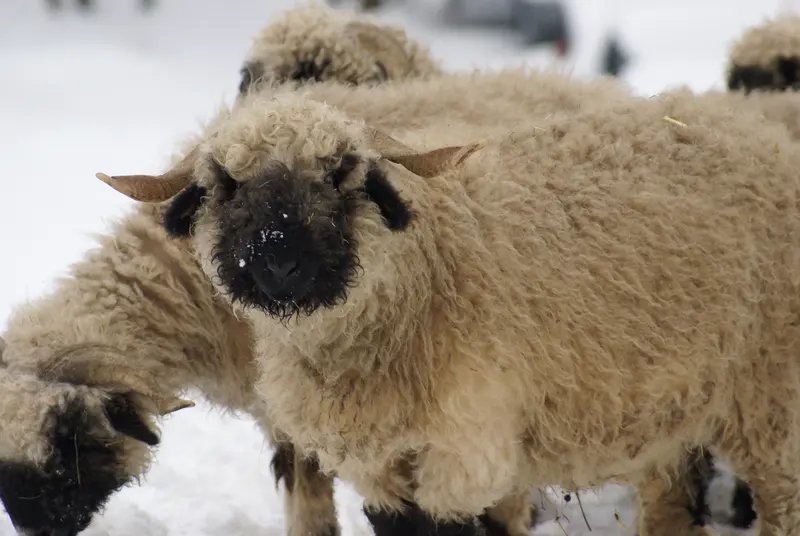
Zermatt is unusually kind to families in summer, because the lift-and-traverse method means children gain the height without the slog. The Sunnegga side is the natural family base: the funicular climbs from the village in minutes, and Leisee below the station has a shallow, sun-warmed lake where children paddle and swim, with the Matterhorn straight ahead. Around it are gentle, well-graded loops and the kind of playground-and-picnic terrain that turns a mountain day into an easy one. The Wolli themed trails, built around the resort's blacknose-sheep mascot, give younger children a story to follow as they walk.
The principle for a family day is the same as for any Zermatt walk, just dialled gentle: ride up, choose a yellow-marked hiking path rather than a white-red-white mountain trail, keep the distances modest, and build in a lake, a terrace or a marmot-spotting stop as the reward. Even gentle, though, you're at altitude — so the sun is fierce, the weather turns fast, and warm layers and water belong in the rucksack even on a blue morning.

Biking, trail running and summer skiing
Summer in Zermatt is not only for walkers. The same lift-served vertical that makes the hiking gentle makes the mountain biking thrilling: marked bike routes and descents drop from the high stations back toward the village, and the lifts carry bikes up so you can earn the views once and ride the gravity down. Trail runners have a feast of vertical and a calendar of mountain races on which to test it, with the high traverses doubling as runnable lines on a fit pair of legs. As ever, the bike routes and running trails share the mountain with walkers and with weather, so the same checks apply.
And then there is the most Zermatt thing of all: skiing in summer. The glacier above Trockener Steg, on the Matterhorn Glacier Paradise side, holds snow year-round, so on a July morning you can take dawn turns on the ice and be down among the wildflowers by lunch. It is a niche pleasure — high, cold and dependent on conditions — but it captures the doubleness of the place perfectly: a village where, in a single summer day, you can ski a glacier and walk a meadow.

When to come, and how the season turns
The Zermatt walking season runs roughly from June to October, but it opens and closes by altitude. Early summer brings the meadows into flower and the lower and middle trails into condition, while the highest routes may still hold snow into June or even July, and the glacier trails clear last. High summer is the dependable heart of the season — long days, the full network open, the lakes warm enough to paddle — though afternoon thunderstorms are common and another argument for early starts. Then comes the quiet favourite: late September and October, when the larches turn a blazing gold, the crowds thin, the air sharpens, and the reflections come on the stillest, clearest mornings of the year.
Whenever you come, plan around the weather rather than the calendar. Keep your biggest, highest objective flexible until the forecast firms up, and spend the clearest morning on the headline walk — the reflection lake, the glacier trail, the ridge — rather than locking it to a fixed day. The village's weather and the lift status are your real planning tools; the season just sets the outer limits.


Picking the right day for who you are
Because the network is so broad, the most useful planning question is not 'which is the best walk' but 'which is the best walk for us, today'. A couple chasing the reflection photograph wants a still, clear morning and an early lift to Blauherd for Stellisee, perhaps extended into the Five Lakes loop as the day warms. A family wants the Sunnegga funicular, the Leisee shallows and a short, shaded yellow path with a terrace at the end, kept well within the children's patience. A strong walker wants the high traverses — the Gornergrat ridge, the glacier trail — on the clearest day the week offers, started early to beat the afternoon build-up of cloud.
First-timers often try to do too much, lured by the density of options into stacking lifts and trails into one exhausting day. The village rewards the opposite instinct: pick one headline objective, ride up for it, walk it unhurried with a long lunch on a terrace, and save the rest for tomorrow. The lifts and the lakes will still be there. A Zermatt summer day done at the right pace — height bought with a ticket, the peak in view, a tarn to sit beside and time to do nothing in particular — is the whole point of the place, and it is wasted if you spend it rushing.

Hiking safety: gentle trails, serious mountains
It is worth ending on the one thing that underlies every page in this hub: a Zermatt trail can be gentle, but the mountain it crosses is not. Even an easy, well-marked walk is high alpine ground, where the sun is fierce, the weather turns from blue to storm in an afternoon, and the temperature drops sharply when cloud rolls in or you gain height. The basic discipline is simple and non-negotiable — start early, carry warm layers and a windproof shell, take water and sun protection, wear proper footwear, and check the weather and the trail and lift status before you go.
Match the route to the markers and to your honest ability. Yellow-marked hiking paths are the gentle, well-graded trails; white-red-white mountain trails demand sure-footedness, a head for exposure and respect for the altitude. The high glacier terrain off the marked trails is mountaineering ground, not hiking, and belongs to those with the skills and, where needed, a guide. Plan to be down before the afternoon storms, tell someone your route, and turn back without ego if the weather or the light turns against you. Done with that small caution, a Zermatt summer is among the most beautiful walking on earth.

Hiking & summer in Zermatt — frequently asked questions
Quick answers for planning a green-season trip. Treat distances, opening dates and lift times as evergreen and confirm trail and lift status before you set out.
- When is hiking season in Zermatt? Roughly June to October, opening by altitude — lower trails first, the highest glacier trails last — with golden larches in late September and October.
- What is the most famous walk? The Five Lakes Walk, a gentle, mostly-downhill loop linking Stellisee, Grindjisee, Grünsee, Moosjisee and Leisee, with the Matterhorn mirrored in the still lakes.
- Where's the best Matterhorn reflection? Stellisee, near the Blauherd lift, on a windless early morning — with Riffelsee below Gornergrat a close second.
- Do I have to climb from the village? No — the Zermatt way is to ride a lift or the railway for the height, then walk a gentle traverse, which is what makes the walks so accessible.
- Is it good for families? Very — the Sunnegga side, the Leisee lake and the Wolli themed trails give gentle, lift-served family days; just keep to yellow hiking paths and pack for the altitude.
- Can you ski in summer? Yes — the year-round glacier above Trockener Steg on the Matterhorn Glacier Paradise side holds summer snow, so you can ski in the morning and walk in the afternoon.
- How hard are the trails? They range from buggy-friendly lake loops to demanding white-red-white mountain trails — read the difficulty off the Swiss signage and your own ability.
- What should I carry? Warm layers, a windproof shell, water, sun protection and proper footwear, plus an early start and a weather check — every walk is high alpine ground.