
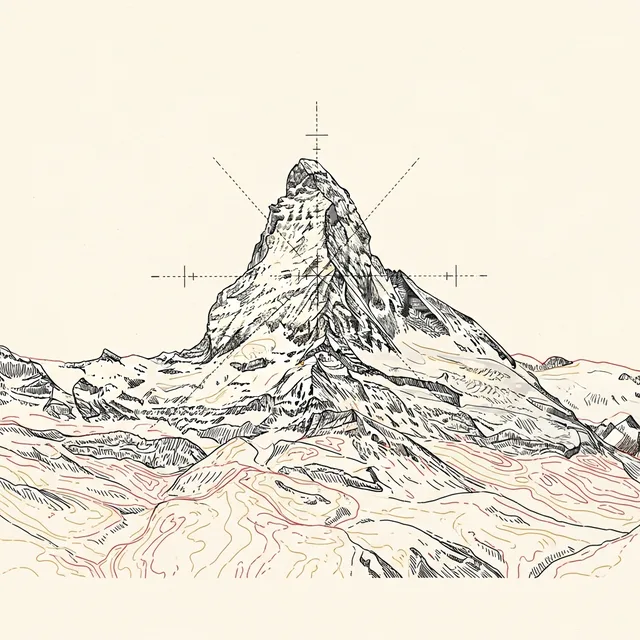
Ski & Lifts in Zermatt
The hub for skiing and snowboarding in Zermatt — the three linked sectors, the Cervinia crossing into Italy, lift passes and status, year-round glacier skiing, beginner areas, rentals and schools, and the winter activities beyond the pistes.

Photo: Michael Portmann / Unsplash
- ✓Around 360 km of pistes span three linked sectors and cross the border into Cervinia, Italy.
- ✓Matterhorn Glacier Paradise offers year-round glacier skiing — snow even in midsummer.
- ✓Beginners start gently at Sunnegga and Wolli Park; the high glacier and Cervinia crossing reward confident skiers.
- ✓Lift, piste and border-crossing status all change with wind and weather — read the official board before you buy a pass.
How Zermatt skiing fits together
Zermatt is one of the great ski destinations of the Alps — high, snow-sure and visually unmatched, with the Matterhorn watching over almost every run. The terrain is organised into three sectors that rise out of the car-free village and link at altitude, and the highest of them connects over the border into the Italian resort of Cervinia (Breuil-Cervinia). Altogether the linked area offers around 360 km of pistes, with lifts reaching some of the highest skiable ground in Europe. It is big, it is high, and because so much of it sits above the glaciers it holds snow when lower resorts struggle.
The three sectors are: Sunnegga–Rothorn to the east, reached by the underground funicular; Gornergrat in the centre, served by the cog railway; and the Matterhorn side to the south-west, climbing via Furi, Schwarzsee and Trockener Steg to Matterhorn Glacier Paradise, from where the runs spill over into Cervinia. They interconnect at height, so a strong skier can roam widely across the day — but the village itself sits at 1,608 m, so getting up to the snow always means a lift first. This hub gathers the detail; the sections below and the linked guides take each piece in turn.

The three sectors, read by ability
Each sector has its own character. Sunnegga–Rothorn, reached by the Sunnegga Express funicular, is the friendliest end of the mountain: sunny, open, with the gentle Wolli Park learning area and easy blues that make it the natural home for beginners, families and anyone easing into the day. It is also the side for the Stellisee and Five Lakes views in summer, so it doubles as the gentle, scenic flank of the resort.
Gornergrat, served by the historic cog railway, sits in the middle with long, scenic intermediate runs and the great glacier-and-Monte-Rosa panorama as a backdrop. The Matterhorn side — Furi, Schwarzsee, Trockener Steg and up to Glacier Paradise — is the high, serious end: the longest descents, the year-round glacier, the most exposed weather and the gateway to Italy. Confident intermediates and experts gravitate here, while the very top suits those happy on high, sometimes windswept glacier terrain. Match the sector to your level and the day's conditions rather than trying to ski everything at once.
- Sunnegga–Rothorn (east): sunny, gentle, the beginner and family side; Wolli Park learning area.
- Gornergrat (centre): long scenic intermediates with the glacier-and-Monte-Rosa backdrop.
- Matterhorn side / Glacier Paradise (south-west): the high, long, serious runs and the Cervinia gateway.
- Match the sector to your level and the day's wind and weather, not to a wish to ski it all.


The Cervinia crossing into Italy
One of Zermatt's signature pleasures is skiing across an international border. From the top of the Matterhorn side, at and around Matterhorn Glacier Paradise, the pistes drop over the ridge into the Italian resort of Cervinia (Breuil-Cervinia) in the Aosta Valley. Skiers can spend the morning in Switzerland, lunch on an Italian terrace with a plate of pasta and an espresso, and ski back to Zermatt in the afternoon — the kind of day that sums up the high-Alpine, two-country feel of the place.
It comes with caveats worth respecting. The crossing relies on the highest lifts staying open, and those are the first to close in wind or weather; if the top shuts while you are on the Italian side, getting back can mean a long road transfer rather than a ski home. The Cervinia link also needs the right pass, and conditions and border arrangements can change. Always confirm the lift status and that the crossing is running before you commit to a day in Italy, and keep an eye on the weather while you are over there.

Year-round glacier skiing
Unusually, Zermatt skis all year. The glacier above Matterhorn Glacier Paradise holds snow through the summer, so even in July and August there is lift-served piste skiing and a snow park on the ice — a rarity in the Alps and a magnet for race teams and national squads who train here in the off-season. For most visitors it means you can ride a cable car to nearly 3,900 m on a summer's day and put in a few turns in the morning before the snow softens.
Summer glacier skiing is its own discipline: the open terrain is limited compared with winter, the snow is best early in the day before it turns slushy, and the altitude and exposure are serious. It is more a novelty and a training ground than a full winter resort experience, but for skiers who cannot bear an off-season, or who want to say they skied beneath the Matterhorn in shorts weather, it is a genuine and reliable option. As ever, the glacier runs to its own opening calendar and weather can close it — check before you plan around it.

Lift passes and status — read the board first
Zermatt's lift passes come in several shapes — Zermatt-only and the larger international version that includes the Cervinia crossing — and there are day, multi-day and season options, with some passes covering the Gornergrat railway and others not. Prices, durations and the exact coverage of each pass change every season, so we will not quote figures here: buy from, and confirm the current options on, the official channels. The key decision is whether you want the international pass for the Italy crossing or the Swiss-side-only pass for a self-contained Zermatt week.
Whatever pass you hold, the most important habit in Zermatt is to read the live lift and piste status before you commit your day. This is a high, exposed, weather-sensitive resort: a windy morning can shut the top sectors and the Cervinia crossing while the lower slopes ski perfectly, and conditions can change within a day. Check the official status board and the webcams over breakfast, plan your sector around what is open, and keep a flexible alternative in mind. A little planning turns a marginal day into a good one.
- Pass types: Zermatt-only and the international pass that includes the Cervinia crossing.
- Durations: day, multi-day and season passes — coverage and prices change each season, so verify.
- Gornergrat railway: covered by some passes and not others — check before you buy.
- Daily habit: read the live lift and piste status and webcams before choosing your sector.
- Wind risk: the high lifts and the Italy crossing close first — have a lower-sector backup.

Beginners, rentals and ski schools
Zermatt is a high, big-mountain resort, which sometimes scares off beginners — but it has genuinely gentle places to learn. The Sunnegga–Rothorn side is the friendliest: the Wolli Park learning area and the easy blue runs around Sunnegga and Blauherd are sunny, forgiving and well away from the intimidating glacier terrain. Families and first-timers do best to base their early days here rather than heading straight for the high Matterhorn side.
Ski and snowboard rental shops cluster in the village near the lift bases and the station, so you can collect gear close to where you start each morning; booking ahead in high season saves queueing. Several ski and snowboard schools run group and private lessons for all ages and levels, and a lesson on the first morning is the fastest way for a nervous skier to find their feet on unfamiliar, high-altitude snow. Specifics — shop hours, lesson times and prices — change, so book directly and confirm current details.
- Best beginner ground: Wolli Park and the easy blues around Sunnegga and Blauherd.
- Rentals: shops near the lift bases and station; book ahead in high season.
- Schools: group and private lessons for all ages — book directly and confirm details.
- Strategy: nervous skiers should base early days on the gentle eastern side, not the glacier.

Beyond the pistes — winter on the mountain
Not everyone in a winter party skis, and Zermatt is generous to non-skiers. Winter walking trails are groomed and signed across the mountain, so you can ride a lift and stroll a high path with the Matterhorn for company; there are sledging (tobogganing) runs, snowshoe routes and the simple pleasure of a cog or cable-car ride to a high terrace for lunch in the snow. The Gornergrat railway and the Glacier Paradise cable car run in winter too, so the great viewpoints are open to skiers and non-skiers alike.
Off the snow, the village itself is a winter pleasure — car-free, lit and quiet, with fondue and raclette in warm stuben, après-ski terraces at the lift bases, spas in the grand hotels and the slow ritual of an alpine evening. A well-planned Zermatt winter trip mixes the pistes with these gentler hours, so that the days on the snow are framed by long lunches, warm rooms and the peak glowing pink at either end of the day.


At a glance
The essentials of skiing in Zermatt. Sector layout, the village altitude and the year-round glacier are evergreen; pass prices, opening dates, lift hours and the Cervinia crossing status all change, so confirm them on the official channels before you travel.
- Piste extent: around 360 km across three linked sectors, with the Cervinia crossing into Italy.
- Village altitude: 1,608 m, car-free — every ski day starts with a lift up to the snow.
- Sectors: Sunnegga–Rothorn (gentle, east), Gornergrat (scenic, centre), Matterhorn/Glacier Paradise (high, south-west).
- Highest point: Matterhorn Glacier Paradise, the highest cable-car station in Europe at 3,883 m.
- Glacier skiing: available year-round on the high snowfield, including midsummer.
- Season: the valley winter season runs roughly November to April; the glacier runs all year.
- Passes: Zermatt-only or international (with Cervinia) — verify current options and prices.
- Daily check: read the live lift, piste and crossing status before buying a pass or planning a sector.
Why Zermatt skis differently from other resorts
It is worth understanding what makes Zermatt distinct on snow, because it shapes every choice you make here. The defining feature is altitude: the village sits at 1,608 m, the lifts climb to 3,883 m, and a large share of the terrain lies above 2,500 m, with a glacier at the top that holds snow all year. That height gives Zermatt some of the most reliable snow cover in the Alps — the upper slopes are rarely short of snow even in a thin season — and it is the reason the resort can offer genuine skiing in midsummer when almost everywhere else has closed. The flip side is that the village itself is sometimes too low for good snow on the very bottom runs, and that the high, exposed terrain answers to the wind, so the resort rewards skiing the heights and watching the forecast.
The second distinguishing feature is scale and the international crossing. With roughly 360 km of linked pistes spread across three sectors and a lift link over the ridge into Cervinia on the Italian side, Zermatt is a big-mountain area where covering ground and crossing a border in a day are part of the appeal. That breadth suits confident intermediates and above particularly well — it is a resort you grow into over a week rather than exhaust in a weekend. The third feature is the setting: you ski beneath the Matterhorn and among a ring of 4,000 m peaks, with mountain restaurants and railway stations woven through the terrain, so the scenery is a constant rather than an occasional reward. Together, these three things — extreme altitude, international scale and an incomparable backdrop — explain both why Zermatt is one of the world's most celebrated ski resorts and why it asks for a little more planning than a smaller, lower area.
- Extreme altitude gives unusually reliable snow and genuine year-round glacier skiing.
- The village base can be too low for the very bottom runs; ski the heights and watch the wind.
- Around 360 km across three sectors plus the Cervinia crossing — a resort you grow into over a week.
- You ski beneath the Matterhorn among 4,000 m peaks — the scenery is constant, not occasional.

Planning a ski trip: timing, costs and getting there
A Zermatt ski trip rewards a little forethought on timing and budget. The valley winter season runs broadly from late November to the end of April, with the glacier open beyond it; the deepest cold and the most reliable lower-mountain snow come from January into March, while the late-season weeks bring longer, warmer days and the famous spring skiing under a strong sun. The peak demand windows — the Christmas-New Year fortnight and the February half-term holidays — bring the highest prices and the busiest lifts, so travellers with flexibility often aim for the quieter, better-value weeks in early December, mid-January or late March. Whenever you come, the wind-exposed upper lifts and the Cervinia crossing can close on a stormy day, so building in a buffer day and reading the live status each morning is part of skiing here well.
On cost, Zermatt is a premium resort and the lift pass, accommodation and mountain dining all reflect that, so it pays to plan where the money goes. Decide early whether you need the international pass that includes Cervinia or only the Zermatt-side pass, since that choice affects both price and the terrain you can reach; compare multi-day passes against daily tickets if you are skiing several days; and remember that staying ski-in-ski-out or close to a lift saves both time and the daily faff of carrying gear across a car-free village. Getting there is itself part of the plan: there is no driving into Zermatt, so park at Täsch and take the shuttle train, or — simpler for most — arrive entirely by rail via Visp and Brig with your gear, which avoids a car and a mountain road in winter conditions altogether. Settle the pass, the base and the arrival in advance and the skiing itself becomes the easy part.
- Season runs roughly late November to April, plus the year-round glacier; Jan-Mar is the snow-sure core.
- Avoid the Christmas-New Year and February peaks for lower prices and quieter lifts if you can.
- Choose the Zermatt-only or the international (Cervinia) pass deliberately — it affects price and terrain.
- Arrive car-free: park at Täsch and shuttle, or come the whole way by rail via Visp and Brig.
