
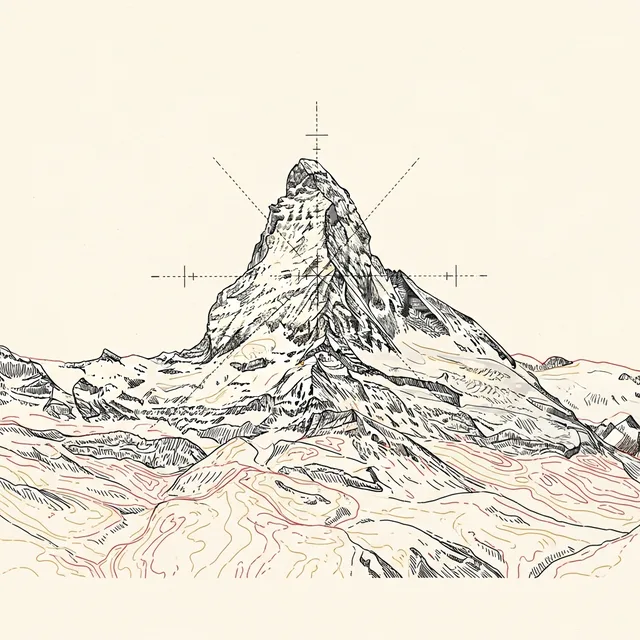
Where to Stay in Zermatt
Area-by-area advice for choosing a base in car-free Zermatt — station convenience, Matterhorn views, ski-lift access, quiet corners, families, luxury and the Täsch tradeoff — from Walliser chalets to grand hotels.

Photo: Miguel Joya / Unsplash
- ✓Stay in the village for the full car-free experience; the whole place is walkable end to end, so the choice is really about what you want at your door.
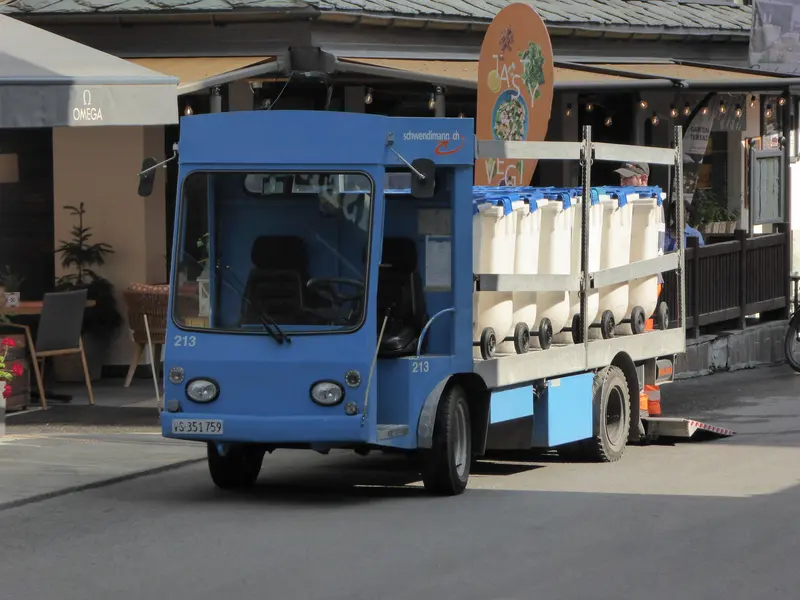
- ✓There are no combustion cars in Zermatt — most hotels meet your train with a silent electric cart, and you walk or ride e-taxis from there.
- ✓A Matterhorn-view room costs more; decide honestly whether you'll be in the room at the hours the view earns its price.
- ✓Täsch, 12 minutes down the valley by shuttle, trades the car-free magic for easy parking and lower prices — a real, valid choice for some trips.
First, understand what 'where' means in a car-free village
Zermatt has been car-free since 1961, and that single fact reshapes the whole question of where to stay. There are no combustion engines in the village — the public road ends down the valley at Täsch — so you arrive by train, and from the station your hotel typically collects you in a small, silent electric cart. Inside the village you move on foot, by e-bus or by electric taxi. Nothing is far. You can walk from one end of Zermatt to the other in well under half an hour, which means no neighbourhood is truly inconvenient and the decision is less about distance than about character and what you want waiting at your door.
So read the areas below not as 'near' versus 'far' — they are all near — but as moods and priorities. Do you want the lifts at your boots for a dawn ski start? The Bahnhofstrasse's shops and restaurants underfoot? A quiet, residential edge with the peak framed in your window? The grandest spa and the best view, price no object? Or the parking, space and lower rates of Täsch, accepting a short shuttle as the cost? That is the real shape of the choice, and the sections that follow walk you through each answer.
At a glance — match the area to your trip
A quick map of priorities before the detail. Everything here is walkable; pick the door, not the distance.
- Village centre / Bahnhofstrasse: shops, restaurants and the station underfoot. Best for first-timers, walkers and anyone who wants the buzz at the door.
- Near the lift bases (Matterhorn Glacier Paradise, Sunnegga, Gornergrat stations): best for skiers chasing early starts and short morning commutes to the snow.
- Winkelmatten: a quiet, sunny residential edge just above the centre, with classic Matterhorn views and a calmer pace.
- Riverside & southern village: chalets and hotels with the peak framed down the valley, a short stroll from the centre.
- Grand hotels (centre and above): the spas, the service and the headline views — Zermatt's luxury tier, often with private cog or lift perks.
- Täsch: the off-village option — parking, space and lower prices, 12 minutes from Zermatt by frequent shuttle. You trade car-free magic for convenience.


The village centre & Bahnhofstrasse — convenience and buzz
If you want Zermatt at its most effortless, stay in the centre, on or just off the Bahnhofstrasse — the village's main artery, running from the station toward the church with the Matterhorn rising at its head. Here you step out of your hotel into the heart of things: bakeries for the early-lift coffee, the fondue stuben and fine-dining rooms for the evening, the ski shops, the après bars, and the station itself for the cog up to Gornergrat. For a first visit, for walkers, and for anyone who would rather not think about logistics, this is the simplest and most rewarding base.
The tradeoff is gentle. The centre is the liveliest part of the village, which is wonderful for atmosphere and means a little evening sound from the bars and the foot traffic — a fair exchange for having everything underfoot. Rooms here span the whole range, from snug chalet B&Bs above a side street to grand hotels on the main drag. If your idea of a perfect Zermatt evening is wandering out for raclette and a nightcap without a thought to how you'll get back, the centre is your answer.

Near the lifts — for skiers who hate a morning commute
Skiers measure a base differently: the priority is a short walk to the lift on a cold morning, skis on your shoulder, ahead of the queues. Zermatt's three sectors leave the village from different points — the Matterhorn Glacier Paradise gondola from the southern, upper end of the village; the Sunnegga funicular from the eastern side near the river; and the Gornergrat cog from beside the main station — so 'near the lifts' depends on which snow you're chasing. A hotel clustered near your chosen base shaves a precious ten or fifteen minutes off every ski morning and lets you ski home, more or less, at the day's end.
Because the village is small, you are never truly far from a lift, but the difference between rolling out of bed onto the Glacier Paradise gondola and walking the length of the Bahnhofstrasse in ski boots is real when the alarm goes at dawn. If skiing is the whole point of the trip, pick a base near the sector you'll use most, and treat the short commute to the others as part of the day. Ski-rental and lockers are easy to arrange near the bases too.


Winkelmatten & the quiet edges — calm and the classic view
Winkelmatten is the village's quiet secret — a sunny, residential pocket on a gentle rise just above and south of the centre, gathered around its own little chapel, with a wide, classic view of the Matterhorn down the valley. It is only a short, level stroll from the Bahnhofstrasse, yet it feels a world calmer: fewer crowds, more chalets than hotels, and the kind of hush that makes a morning coffee on the balcony feel like the whole reason you came. For couples, for repeat visitors, and for anyone who finds the centre a touch busy, it is a lovely base.
The same logic applies to the other quieter pockets — the riverside lanes along the Vispa and the chalets toward the southern, upper village. You give up nothing in walkability and gain peace and, often, a cleaner sightline to the peak. The only thing to weigh is that you'll walk a few minutes to the thick of the dining and nightlife, which for many people is precisely the point. If your Zermatt is about stillness and the mountain rather than the buzz, look here first.


Matterhorn-view rooms — paying for the window
A room with a direct Matterhorn view is one of Zermatt's signature indulgences, and it costs accordingly. Before you pay the premium, be honest with yourself about when you will actually be in the room. The view earns its keep at two moments above all: the pink Alpenglühen at first light, when the rising sun sets the summit glowing while the village sleeps in shadow, and the last of the evening as the peak holds the light. If you're a dawn person, or the kind of traveller who lingers over breakfast on the balcony, a sunrise-facing room is worth every franc — there are few finer ways to wake.
But if your days run lift to trail to terrace and you fall into bed after dinner, you may be paying handsomely for a window you barely use. Many hotels offer the peak from a shared terrace, the breakfast room or the spa rather than every bedroom, which can be the smarter buy — you get the view at the hours that matter without the room-rate premium. Decide which kind of traveller you are, then choose. The mountain is generous to those who plan their viewing; it does not reward paying for a vista you'll sleep through.


Families — space, ease and the gentle slopes
Zermatt is unexpectedly easy with children, and the car-free village is a large part of why: no traffic to fret about, so kids can walk and roam with a freedom that's rare in a resort. For families, the practical priorities are space and proximity — a base near your chosen lift to cut the boot-and-ski faff, near the Sunnegga side for the gentle beginner slopes and the family lake at Leisee in summer, and with room to spread out after a day on the mountain. Aparthotels and chalet apartments suit longer family stays, with a kitchen for the inevitable early or fussy meals.
The centre works well for families too — everything underfoot, sledging and winter play within reach, and the buzz that older children enjoy. Wherever you base, the village's small scale is your friend: nap-time retreats are never far, and the children's ski areas and the toboggan runs are easy half-day outings. Check whether your hotel offers family rooms or connecting rooms and any childcare, and lean toward a base near the lift you'll use most with the kids in tow.


Luxury — the grand hotels and the quiet extravagances
Zermatt's luxury is a particular thing: not flash, but restraint — larch and stone, deep spas, long terrace lunches and the hush of a village with no traffic. The grand hotels gather in and just above the centre, and the best of them pair a serious spa with a direct view of the peak and the kind of unhurried service that has been honed over more than a century of guests. Some offer their own quiet extravagances — a private cog ride to Gornergrat at dawn, a guided day on the mountain, a spa with the Horu in the window. For couples and for anyone marking an occasion, this tier is what the village does best out of season, when the place leans naturally romantic.
Choosing among them is, again, about the door and the window. A grand hotel on the Bahnhofstrasse puts the dining and shops at your feet; one on the rise above the centre trades a few minutes' walk for a calmer setting and often a cleaner view. Decide whether you most want the spa, the sunrise room, the location, or the view from the breakfast terrace, and let that lead. At this level the service smooths every logistic — the cart at the station, the lift tickets, the dinner reservations — so you can do the one thing Zermatt asks of you: slow down and look at the mountain.
Täsch — the off-village option, and its honest tradeoff
Not every trip wants the car-free village, and Täsch is the sensible alternative. It sits 12 minutes down the valley at the end of the public road, where the Matterhorn Terminal offers covered parking (around 2,100 spaces) and the shuttle train runs frequently up to Zermatt. Staying in Täsch means you can drive to your hotel, park easily, and pay rates that are generally lower than in the village — a real advantage for road-trippers, for families with a lot of gear, and for budget-minded trips. You commute into Zermatt for the lifts, the dining and the sights, and back to your car at night.
The tradeoff is the magic itself. Täsch is a practical valley village, not the car-free fairy-tale at the foot of the Horu; you lose the step-out-the-door access to the lifts and the late, lamplit wanders home from dinner, and you add a short shuttle to the start and end of every day. For some trips that is a price worth paying; for a first visit or a romantic one, the village is usually worth the premium. Weigh it honestly against your trip — parking and budget on one side, the full car-free experience on the other.

Chalets, hotels or apartments — choosing the kind of roof
Area is only half the decision; the kind of place you stay shapes the trip just as much. Zermatt's lodging spans four broad types, and each suits a different traveller. The classic Walliser chalet — larch and stone, low ceilings, a balcony with the peak in view — is the romantic, characterful choice, often run as a small hotel or a B&B with a personal welcome. The grand and mid-range hotels offer the full service: half-board dinners, spas, the cart at the station, the dinner reservations made for you, the lift tickets sorted. They smooth every logistic and are the easiest way to be looked after, which on a first or a special trip is no small thing.
At the more independent end sit the self-catering chalet apartments and aparthotels, which come into their own for longer stays, for families, and for anyone who wants a kitchen for the early breakfast before a dawn lift or the simple supper after a long day. And for the budget-minded there are guesthouses, hostels and simpler pensions, mostly a little back from the main street, that put you in the car-free village for far less than the grand houses charge. None is better than another — match the roof to the trip: chalet for romance, full hotel for ease, apartment for space and self-catering, guesthouse for value.
- Walliser chalet / small hotel: character, warmth and a personal welcome — the romantic choice.
- Full-service hotel: half-board, spa, the cart and the logistics handled — the easiest, best for special or first trips.
- Self-catering apartment / aparthotel: a kitchen and space — best for families and longer stays.
- Guesthouse / pension / hostel: car-free-village value, usually a little off the main street.
Budget, season and booking — the practical layer
Whatever area and type you settle on, a few practical truths shape the booking. Zermatt is a premium destination, and prices swing hard with the season: the peaks of the ski winter (the Christmas–New Year holidays and February in particular) and the height of summer command the top rates and book out earliest, while the shoulder weeks of late spring and autumn are both quieter and gentler on the wallet — and, in the case of the golden-larch autumn, quietly beautiful. If your dates are flexible, aiming for a shoulder week buys you better availability, lower rates and a calmer village, all at once.
Book ahead for the busy seasons, especially if you want a particular base, a Matterhorn-view room, or a ski-in convenience near a lift — the best rooms go first. Confirm the practical details directly with the hotel: whether they meet the train with an electric cart (most do), whether half-board suits your plans, and the cancellation terms given how much the mountain weather can reshape a trip. And remember that nothing here is fixed forever — treat any price or detail you read as needing verification at the time you book, on the official listings or with the property itself.
- Peak and pricey: Christmas–New Year, February half-term and high summer — book early, expect top rates.
- Quieter and cheaper: late-spring and autumn shoulder weeks — better value and a calmer village (autumn larches are a bonus).
- Book ahead for a specific base, a view room or ski-in convenience in busy weeks.
- Verify the practicalities directly: the station cart, half-board, and cancellation terms.
- Treat all prices and details as needing verification at the time you book.

Putting it together
Pull the threads together and the decision is straightforward. Choose the village for the full Zermatt experience, and within it pick the centre for convenience and buzz, near a lift base for skiing, Winkelmatten or a riverside lane for quiet, and a grand hotel for the spa and the headline view. Pay for a Matterhorn-view room only if you'll be in it at dawn or dusk to enjoy it. Lean on aparthotels and space near the gentle slopes if you're travelling with children. And consider Täsch only if parking and budget genuinely outweigh the car-free magic for your particular trip.
Whatever you choose, remember the village is small and everything is near. The base shapes the mood of your stay more than its logistics, so pick the door and the window that fit the trip you actually want — and then let the train carry you in, the cart meet you, and the Horu do the rest.
