
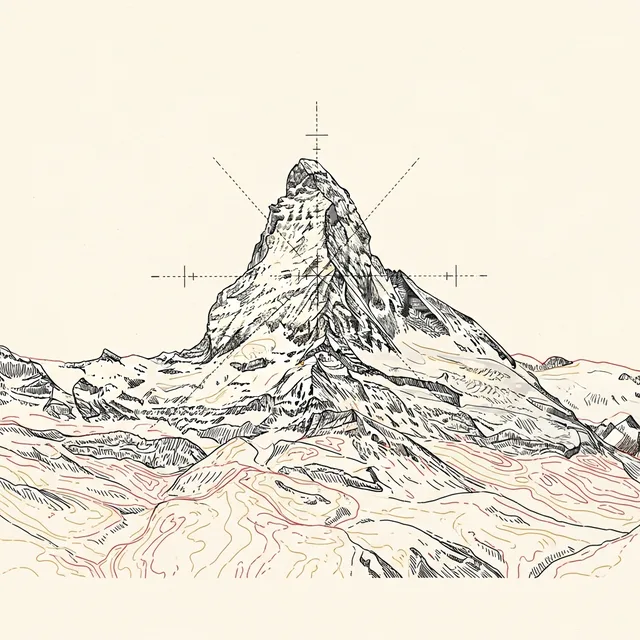
Things to Do in Zermatt
The full menu for a car-free Swiss alpine resort under the Matterhorn — viewpoints, ski sectors, hikes, the old village, mountain dining and the logistics that make it all run.

Photo: Tim Stroeve / Unsplash
- ✓Zermatt is read by altitude: the village floor sits at 1,608 m and the Matterhorn (the Horu) stands at 4,478 m, with everything worth doing strung between them on the lifts.
- ✓Three signature ascents — Gornergrat (3,089 m), Matterhorn Glacier Paradise (3,883 m) and Sunnegga–Rothorn — frame the peak from three directions.
- ✓Summer is 400+ km of marked trails, the Five Lakes Walk and the Matterhorn Glacier Trail; winter is around 360 km of pistes that cross the border into Italy.
- ✓On the village floor there is the old timber Hinterdorf, the Bahnhofstrasse, the Matterhorn Museum and the mountaineers' cemetery — all reachable on foot.
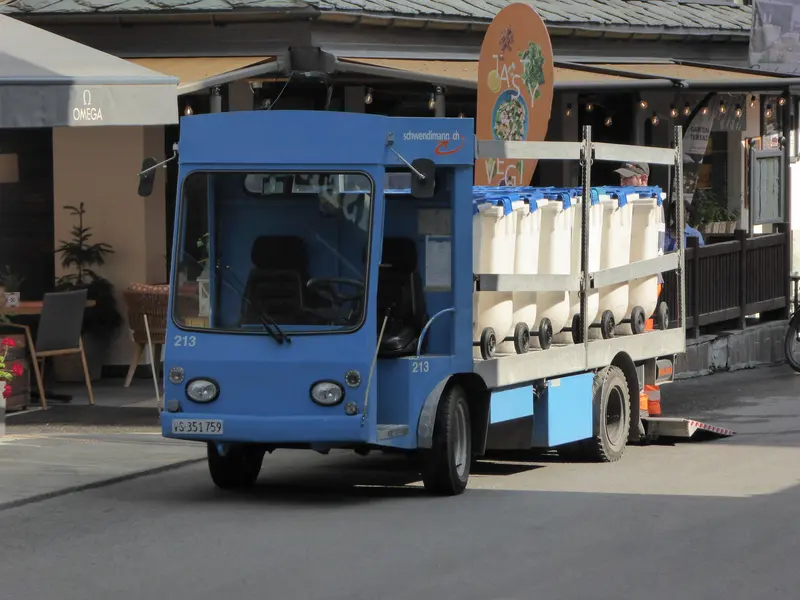
- ✓There are no combustion cars: you arrive by rail, and you move by foot, e-bus and silent electric taxi.
How to think about Zermatt: read the mountain by altitude
Most resorts you read by neighbourhood. Zermatt you read by height. The village floor sits at 1,608 m, a narrow ribbon of larch-and-stone buildings squeezed into the head of the Mattertal, and the Matterhorn — the Horu, in the old Walliser tongue — rises to 4,478 m at the valley's mouth. Almost everything you will want to do is a station on the vertical ladder between the two, reached by a cog railway, a funicular or a cable car rather than by road. Once you understand that, the place stops feeling overwhelming and starts feeling like a single, well-organised mountain you ride up and walk down.
This page is the master menu. It gathers every category of thing to do — the high viewpoints, the ski sectors, the summer trails, the village itself, the food, and the practical machinery of a car-free resort — and points you onward to the deeper guides for each. If you want a ranked, first-trip shortlist instead of the full inventory, start with our best-things-to-do guide and come back here once you have the headline ascents booked.
The single most useful planning habit in Zermatt is to keep your biggest viewpoint day flexible. A clear morning on the Gornergrat is worth re-planning the whole week around; a cloudy one wastes the trip's best ticket. Watch the forecast, hold one day loose, and spend it on the clearest sky you get.


The high viewpoints: three ascents that frame the Horu
If you do nothing else in Zermatt, you ride up to meet the Matterhorn at eye level. Three lift systems climb out of the village in different directions, and each gives the peak a different character, so they are complements rather than alternatives.
The Gornergrat Bahn — Switzerland's first fully-electric rack railway, running since 1898 — is the classic. In roughly 33 minutes it bites a gradient of up to 20 percent on its toothed steel rack to an open-air station at 3,089 m, the highest open-air railway station in Europe, ringed by 29 four-thousanders. From the terrace you look straight across at the Horu, the Dufourspitze (Switzerland's highest summit) and the long tongue of the Gorner glacier. Sit on the right going up for the Matterhorn; the glacier opens to the left near the top.
Matterhorn Glacier Paradise, on the opposite flank, is the highest you can get on a lift in Europe — a cable car to 3,883 m, into a world of permanent ice with a glacier palace carved into it. It is colder, starker and more obviously high-altitude than Gornergrat; bring layers even in August. Sunnegga and the Rothorn, to the east above the village, are the gentlest of the three, reached first by an underground funicular and then by cable car, and they open onto the Five Lakes country and the easiest family terrain.
Whichever you choose, treat the upper stations as places to stop and walk, not just to photograph. Rotenboden below the Gornergrat summit is the gateway to Riffelsee, the most famous Matterhorn-reflection pool in the Alps; Blauherd above Sunnegga is where the Five Lakes Walk begins.
- Gornergrat (3,089 m) — cog railway, open-air terrace, 29 four-thousanders, the classic first ascent.
- Matterhorn Glacier Paradise (3,883 m) — highest cable-car station in Europe, glacier palace, year-round snow.
- Sunnegga–Rothorn — funicular then cable car, the gentle, family-friendly, lake-country side.

Skiing and the lifts: 360 km that cross into Italy
In winter the same vertical machinery becomes one of the largest, highest and most snow-sure ski regions in the Alps. Around 360 km of pistes span three linked sectors that climb out of the village — Sunnegga–Rothorn to the east, Gornergrat in the middle, and the Matterhorn side via Furi and Schwarzsee up to Glacier Paradise — and the upper lifts cross the border into Cervinia and Valtournenche on the Italian flank, so you can ski to Italy for lunch and back.
Glacier skiing runs all year at Matterhorn Glacier Paradise, which is why national teams train here in summer; the full valley season runs roughly November to April. Beginners find their feet at Sunnegga and the Wolli Park learning area, while the high glacier suits confident skiers and summer turns. Because the area is so high and so exposed, a windy day can close the upper lifts and the Italian crossing, so always read the official lift-status board before you buy a pass or commit to the border run.
We do not quote pass prices here because they change every season and vary by area and validity — check the Zermatt Bergbahnen site for current rates and conditions before you travel.

Hiking and summer: lakes, glaciers and the golden larch
When the snow pulls back, Zermatt becomes one of the densest trail networks in the Alps — more than 400 km of marked paths fanning out from the village and the lift stations. The local trick is to ride a lift to gain height and then walk a traverse rather than grinding up a climb: Blauherd to Sunnegga for the Five Lakes, Rotenboden to Riffelberg along the Gornergrat ridge, Trockener Steg to Schwarzsee on the Matterhorn Glacier Trail.
The Five Lakes Walk is the signature, a half-day loop linking Stellisee, Grindjisee, Grünsee, Moosjisee and Leisee, three of which mirror the Matterhorn on a still morning. The Matterhorn Glacier Trail is the more dramatic high route, threading moraine and ice beneath the peak's east face with interpretive panels explaining the retreating glacier. The hiking season runs roughly June to October, and late season — when the larches turn gold and the crowds thin — is a quiet favourite. Even the gentlest marked trail here is high alpine terrain, so check the weather, carry layers and note the last lift down.


The village floor: timber, river and remembrance
Not everything worth doing is up a lift. The village floor is a destination in its own right, and on a weather day or a rest day it carries a trip on its own. The Hinterdorf, Zermatt's oldest quarter, is a cluster of sun-blackened timber barns and grain stores raised on round stone staddle discs that kept the mice out — some of them three or four centuries old, lived in to this day. It is a few minutes' walk off the main street and it is free to wander.
The Bahnhofstrasse is the spine of village life: the main shopping and dining street, lined with watch and outdoor shops, bakeries, fondue stuben and the après-ski energy that fills it at dusk. Off it sits the parish church of St. Mauritius and, beside it, the mountaineers' cemetery, where many of those who died on the Matterhorn — including members of Edward Whymper's ill-fated first-ascent party of 1865 — are buried. The Matterhorn Museum (Zermatlantis), built partly underground around a reconstructed old village, tells the story of that first ascent, including the broken rope that has hung at the heart of the place's legend ever since.
Link these on foot with our self-guided village walk, or read the village guide for the full orientation of streets, bridges and squares.


Eating beneath the peak
As with everything in Zermatt, dining splits by altitude. The village floor holds the fine dining, the fondue and raclette stuben and the bakeries that handle an early-lift coffee. The mountain terraces — the Findeln hamlet above the village, Riffelalp on the Gornergrat line, Furi on the Matterhorn side — reward a walk or a lift ride with a long lunch and a clear view of the Horu.
Findeln is the classic: a scatter of larch chalets on a sunny shoulder, reached on foot or by funicular-and-walk, where lunch stretches into the afternoon. Fondue and raclette are the cold-weather staples, and they book out in high season, so reserve ahead. Mountain restaurants keep lift-bound hours, so check opening before you plan a meal around a view.

At a glance
A quick orientation card for first-timers. Treat every figure that changes with the season — lift hours, passes, opening times — as something to verify on the official sites before you travel.
- Village altitude: 1,608 m. Matterhorn summit: 4,478 m.
- Car-free since 1961 — the public road ends at Täsch, 5 km down the valley.
- Three signature ascents: Gornergrat (3,089 m), Glacier Paradise (3,883 m), Sunnegga–Rothorn.
- Skiing: around 360 km across three linked sectors, crossing into Italy; glacier skiing year-round.
- Hiking: 400+ km of marked trails, season roughly June–October.
- Getting here: drive to the Matterhorn Terminal in Täsch and shuttle in (about 12 minutes), or arrive entirely by rail via Visp and Brig.
- In the village: foot, e-bus and silent electric taxi only.


When to come: reading the two seasons
Zermatt runs two distinct seasons with a couple of quieter shoulders between them, and which one you choose shapes the whole list above. Winter, roughly late November to April, is ski season: the village is busy, festive and snow-cloaked, the three sectors are open, and the cross-border run to Italy is the headline. Summer, roughly June to October, is hiking and high-mountain season: the lifts run for sightseers and walkers, the trails open, the mountain terraces fill, and the glacier still offers year-round skiing for the committed.
The shoulders reward the flexible. Late spring (May into early June) can be thin — some lifts and trails are between seasons and a few mountain restaurants close — but the village is calm and rates soften. Autumn, late September into October, is a quiet favourite: the larches turn gold, the air is crisp and clear, the crowds thin, and the Matterhorn stands sharp against deep blue skies. Whenever you come, the constant is that the weather at 3,000 metres is a different country from the weather on the village floor, and it changes fast — so build flexibility into the plan rather than fighting the forecast.
One practical note on altitude: the village at 1,608 m is gentle, but the high stations at 3,089 m and 3,883 m are serious elevation. If you have come up quickly from sea level, take the highest lifts slowly, drink water, and do not be surprised by breathlessness on the terrace. It passes, but it is real.
Beyond the headlines: smaller pleasures
The big-ticket ascents and walks carry a trip, but Zermatt rewards the time you give it with quieter pleasures too. Many of them cost nothing: the riverside paths along the Matter Vispa, the early-morning hush of the Hinterdorf, the church-bridge view of the peak at first light, the simple act of watching the Matterhorn change colour through the day from a village bench. On a clear night the peak is floodlit, and the walk back from dinner becomes an event in itself.
There are gentler family options too — the Wolli themed trails and play areas around Sunnegga, the easy lakeside loop at Leisee, the funicular ride itself, which children love. And there are the small Walliser rituals: a wedge of raclette scraped molten from the wheel, a bag of fresh bread from a Bahnhofstrasse bakery eaten on the move, the slow business of choosing a chocolate. None of these will headline a guidebook, but together they are what makes people fall for the place and come back.
If you are travelling on a budget, or simply like the unhurried end of things, our free-things and family guides gather the no-cost and low-key ideas; if you are here for the romance of it, the car-free quiet and the sunrise peak do most of the work for you.


Putting a day together
A simple template works for most first trips. On your clearest morning, take the headline ascent — Gornergrat if you want the classic panorama, Glacier Paradise if you want the highest ice. Spend the middle of the day on a mountain terrace lunch and an easy traverse on foot. Come down in the afternoon to wander the Hinterdorf, the church and the museum on the village floor, and finish on the Bahnhofstrasse as the lights come on.
Stretch that over two or three days and you simply add the second ascent, the Five Lakes Walk (or a ski morning in winter), and an unhurried evening or two. Keep the big viewpoint flexible, let the weather decide the order, and you will rarely waste a day. For fully built-out plans by season and length, our itineraries page does the sequencing for you.
