
Zermatt Summer Guide
How to plan Zermatt in the warm months — when the snow pulls back and the village turns to lakes, larch and 400 km of trails. Lifts, hikes, mountain biking, the blacknose sheep, weather, hotels and the timing that keeps you ahead of the crowds.

Photo: Tj Holowaychuk / Unsplash
- ✓Summer turns Zermatt into one of the densest trail networks in the Alps — over 400 km of marked paths, with reflection lakes and glacier walks among them.
- ✓The same lifts that serve skiers carry summer walkers and bikers high; glacier skiing even continues year-round above the village.
- ✓The warm season runs roughly June to October, with July and August busiest and late September's golden larches the quiet connoisseur's choice.
- ✓Plan around clear-weather days and keep the headline viewpoint flexible — afternoon thunderstorms build fast over the peaks.
The other Zermatt — when the snow pulls back
Most of the world pictures Zermatt in winter: deep snow, ski racks, the Matterhorn over a white village. But ask people who keep coming back which season they love, and a surprising number will say summer. When the snow retreats from the valley, the village at 1,608 m turns green and gold, the high pastures fill with wildflowers and grazing sheep, the mountain lakes thaw to mirrors, and more than 400 km of marked trails open across the slopes. It is quieter than the ski season in feel if not always in number, slower-paced, and arguably the most romantic way to see the Horu.
The geography that makes winter work makes summer work too. Zermatt is read by altitude, and the lift network — funiculars, gondolas, cable cars and the century-old Gornergrat cog railway — runs through the warm months to carry walkers and bikers up to the height where the views begin. You ride to gain the altitude and walk or pedal a gentle traverse, rather than grinding up every metre, which is exactly why so many people who would never call themselves mountaineers come home from a Zermatt summer having stood among the four-thousanders.
This guide is the plan: what to do, how the season breaks down month by month, how the weather behaves, where to stay, and how to time a trip so you are standing at a still reflection lake at dawn rather than queuing behind a coach party at noon.

At a glance: a Zermatt summer
The shape of the warm season at a glance. Heights, lift names and broad timing are evergreen; opening dates, the snow line and exact schedules shift each year, so confirm conditions and the lift calendar before you travel.
- Season: roughly June to October, with the high lakes and traverses clearest from July; larches turn gold late September into October.
- Busiest: July and August — book accommodation and the headline excursions well ahead.
- Quietest with the best light: late September and early October, before the lifts wind down for the changeover.
- Signature hikes: the Five Lakes Walk, the Matterhorn Glacier Trail and the Gornergrat ridge.
- Beyond walking: mountain biking, glacier skiing year-round, the gorge, the lakes for swimming, and the blacknose sheep on the pastures.
- Weather rule: clear mornings, building cloud and thunderstorms many afternoons — start early, keep the big view flexible.
1. Hiking — the heart of a Zermatt summer
Walking is the reason most people come in summer, and the network is vast enough that a week barely scratches it. The classics arrange themselves by side of the valley. On the Sunnegga side, reached by the quick underground funicular, the Five Lakes Walk links Stellisee, Grindjisee, Grünsee, Moosjisee and Leisee, with Stellisee holding the finest Matterhorn reflection in the valley on a still morning. On the Gornergrat side, the cog railway lifts you to 3,089 m for the grandest panorama, with ridge walks down past the Riffelsee and the option to catch the train at every intermediate station. On the Matterhorn side, the Matterhorn Glacier Trail traverses high moraine between Trockener Steg and Schwarzsee with the peak looming close.
The smart approach is the same one the locals use: ride a lift up, walk down or across. That keeps the effort gentle and the views constant, and it means families, older walkers and serious hikers can all find their level on the same hillside. Trails are waymarked by difficulty — yellow for easy paths, white-red-white for steeper mountain trails, white-blue-white for true alpine routes — so read the signs and match the grade to your group.
Whatever you walk, it is real high country. Carry boots, layers, sun protection, water and food, and check the weather and lift status the morning you set out. The altitude makes the sun fierce and the weather quick to change, and the lifts that make the walking easy run to a seasonal calendar.

2. The lakes — reflections and a summer swim
Zermatt's mountain lakes are summer at its most photogenic. Stellisee and Riffelsee are the two great reflection pools, on the Sunnegga and Gornergrat sides respectively, each capable of holding the whole Matterhorn upside down on a still, cold morning. The trick to both is the same: come early, when the night air is still settled and before the valley breeze ruffles the surface, and be patient enough to wait out the gusts for a few seconds of glass.
Lower down, Leisee just below Sunnegga is the swimming lake — shallow, sun-warmed in high summer, with a shore path, a playground and the Matterhorn behind, making it the easiest possible family outing. Grünsee and the other Five Lakes pools each have their own character, from emerald shallows to dark mountain tarns. Whether you come to photograph a reflection at dawn or to let children paddle at midday, the lakes give the season its postcard.
A reminder for the reflection chasers: the picture lives and dies on still air and a thawed surface, so the window runs from roughly July, once the high lakes have cleared, into autumn, and the best mornings are the calm, clear, cold ones you have watched a forecast to find.


3. Mountain biking and e-biking
Summer is not only for walkers. Zermatt has a growing web of mountain-bike and e-bike routes that use the same lift network to gain height, with marked trails ranging from gentle valley and pasture tracks to technical singletrack descents off the higher stations. E-bikes in particular have opened the high country to riders who would never have pedalled up the gradients, and several lifts carry bikes in the warm season so you can climb by gondola and ride down.
It is a wonderful way to cover ground a walker could not, linking hamlets, mountain restaurants and viewpoints across an afternoon. As with hiking, the discipline is to respect the altitude and the weather, to share the trails courteously with walkers on the mixed paths, and to confirm which lifts are carrying bikes on the day. Bike hire and guided options are available in the village; check current operators and trail status locally before you plan a route.
4. The glacier, the gorge and the high lifts
Even in high summer, the very top of Zermatt stays winter. The Matterhorn Glacier Paradise — reached by cable car towards the Klein Matterhorn at around 3,883 m, the highest cable-car station in Europe — offers year-round glacier skiing and snowboarding in the mornings, an ice palace carved into the glacier, and a viewing platform with a horizon of four-thousanders that stays snow-bright through July and August. It is the one place you can throw a snowball in the warmest week of the year.
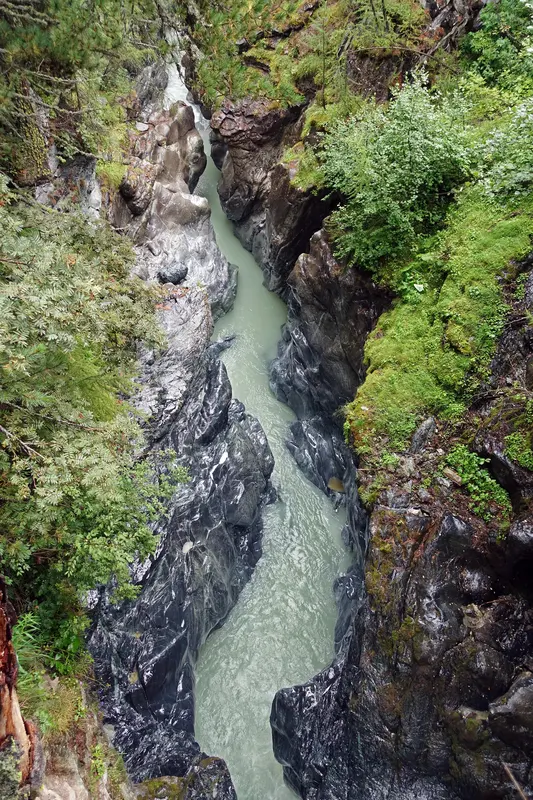
Lower down, the Gorner Gorge is a complete change of register: a deep, water-carved slot in the rock below the village, with walkways pinned to the cliff above the churning glacier-melt. It is short, dramatic, weatherproof and a favourite with children — the perfect grey-day outing. Between the glacier at the top and the gorge at the bottom, the lift network gives summer Zermatt an extraordinary range, from year-round ice to cliff-canyon shade, all reachable from a single car-free village.

5. The blacknose sheep and the living pastures
Summer is when Zermatt's most charming residents come out: the Valais Blacknose sheep, the impossibly fluffy, spiral-horned, black-faced breed native to this corner of the Alps, grazed on the high pastures through the warm months. Walkers meet them on the gentle meadow trails above the village, and they are a genuine delight — as much a part of a Zermatt summer as the peaks. The high pastures themselves are alive in a way the winter slopes never are: wildflowers, grazing animals, the old timber chalets of the hamlets, and the slow rhythm of the alpine farming year.
This is the quieter, more pastoral Zermatt that the ski season hides, and it rewards an unhurried pace — a long lunch on a Findeln terrace, an afternoon among the sheep, a slow walk back through the larch. For families and romantics alike it is often the part of the trip they remember most fondly.
Weather, season and month-by-month timing
Alpine summer weather has a daily rhythm worth planning around. Mornings are typically the clearest and stillest; through the day the sun heats the slopes, cloud builds over the peaks, and many afternoons bring thunderstorms that can be sudden and severe at altitude. The single most useful habit is to start early — for the calm reflection lakes, the clearest views and to be off the high ground before the storms build — and to keep your headline excursion flexible so you can spend it on the best-forecast morning.
By month: June is early, with snow lingering on the higher traverses and the upper lakes only just thawing, but the meadows greening and the crowds light. July and August are the heart of the season — warm, fully open, busiest, and the time the high lakes are clearest, but also the most prone to afternoon storms and the time to book everything ahead. Late September and October bring the golden larches, the coldest, clearest light, thinning crowds and the connoisseur's favourite mornings, balanced against shorter days, the first snows and lifts beginning to wind down for the autumn changeover. Whenever you come, confirm the lift calendar, because the stations that make the season possible run to seasonal dates.
- Daily pattern: clear, still mornings; building cloud and afternoon thunderstorms — start early.
- June: greening meadows, lingering high snow, light crowds; some high routes not yet clear.
- July–August: fully open, warmest, busiest — book ahead; high lakes at their clearest.
- Late September–October: golden larches, clearest light, thinning crowds, shorter days, first snows.
- Always confirm the lift calendar — stations run to seasonal opening and changeover dates.
Where to stay and how to arrive in summer
Zermatt is car-free, and that shapes a summer trip as much as a winter one. You drive only as far as the Matterhorn Terminal in Täsch and take the shuttle in, or come the whole way by train via Visp and Brig — the most relaxed arrival of all, and a fine first sight of the valley climbing past you through the window. In the village it is silent electric taxis, e-buses and your own two feet.
For where to base yourself, the village itself gives you the full car-free experience and puts the funiculars and the cog railway at the door for early starts; Täsch trades a short shuttle for easier parking and lower prices. In summer a Matterhorn-view room earns its keep if you intend to be up for the alpenglow, and the grand hotels pair their spas with the peak in the window for the slower, more romantic version of the season. Whatever you choose, book well ahead for July and August, when the village fills.
Build the week around clear-weather days: give the Sunnegga lakes a dawn, the Gornergrat ridge a day, the Glacier Trail a settled forecast, and keep the gorge and the valley paths in reserve for whenever the tops are in cloud. Do that and a Zermatt summer becomes the rare alpine trip that never wastes a morning.


Five Lakes Walk Guide
Zermatt's most-loved easy hike, lake by lake — how to reach the start by funicular and gondola, which way to walk, where the Matterhorn reflects, how long it takes and the dawn timing that makes the picture.
Read guide
Mountain Biking in Zermatt
How mountain biking works in car-free Zermatt — the lift-served trails and flow lines, the long descents, rentals and e-bikes, skill levels, and the route-planning sense that keeps a high-alpine ride safe and shared.
Read guide
Zermatt in July
July is the heart of the Zermatt hiking summer — high trails and lakes open, summer skiing on the glacier, warm valley days, Blacknose sheep in the meadows and the buzz of the high-altitude marathon. Busier paths, but the mountain at its fullest.
Read guideMore in Hiking & Summer
6
Best Family Hikes in Zermatt
Child-friendly hikes in Zermatt chosen by lift access, gentle effort, picnic and lake stops, playground rewards and an easy weather backup — so the whole family enjoys the mountain.
Read guide
Best Gornergrat Hikes
Scenic walking off the Gornergrat cog railway, where every intermediate station is an escape. The ridge descent to Riffelsee and Rotenboden, the longer Riffelberg and Riffelalp routes, and how the train-stop flexibility lets you walk as much or as little as the day allows.
Read guide
Best Hikes in Zermatt
A comparison of Zermatt's finest walks read the way the valley works — by altitude, lift access and weather. The Five Lakes loop, the Matterhorn Glacier Trail, the Gornergrat ridge and the gentler valley paths, ranked by difficulty, view and who they suit.
Read guide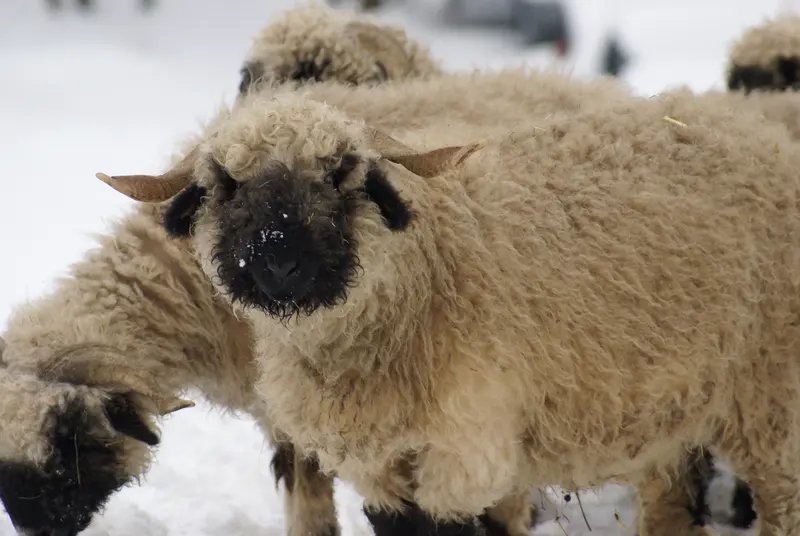
Blacknose Sheep in Zermatt
Where and when to meet the Valais Blacknose — the curly-horned, black-faced sheep of the Matterhorn valley — and how to watch them with respect.
Read guide
Charles Kuonen Suspension Bridge
How to reach and walk the Charles Kuonen suspension bridge above Randa near Zermatt — rail access, the climb from the valley, the bridge itself, head-for-heights notes and weather sense.
Read guide
Easy Walks in Zermatt
Gentle, low-effort walks in and above Zermatt — the village and riverside, the Furi forest, Riffelalp's level paths and the Sunnegga-area strolls — for non-hikers, families and mixed-ability groups.
Read guide