
Mountain Biking in Zermatt
How mountain biking works in car-free Zermatt — the lift-served trails and flow lines, the long descents, rentals and e-bikes, skill levels, and the route-planning sense that keeps a high-alpine ride safe and shared.

- ✓Zermatt is car-free, so bikes share the village with pedestrians and silent e-vehicles — ride slowly and yield in the centre.
- ✓The lifts do the climbing: ride up by funicular, gondola or cable car, then descend marked trails with the Matterhorn ahead.
- ✓Skill levels run from the beginner-friendly Sunnegga Flow Trail to long, technical alpine descents for confident riders.
- ✓Rentals, including e-mountain bikes, are easy to arrange in the village; a summer lift pass that carries bikes is the key to the network.
Biking a vertical, car-free valley
Mountain biking in Zermatt is shaped by two facts that define the whole village: it is car-free, and it is steeply vertical. The first means there are no roads full of traffic to share — but it also means the village centre belongs to pedestrians and silent electric carts, so a bike there is a guest, ridden slowly and courteously, not a way to cut through the crowds. The second means that, as with the hiking, the smart way to ride is to let the lifts do the climbing and to spend your energy on the descent, dropping from a high station back towards the valley floor with the Matterhorn ahead of you for much of the way.
That lift-served logic turns Zermatt into a proper summer bike destination without asking every rider to grind thousands of metres uphill first. The funicular to Sunnegga, the gondolas and the cable cars all carry bikes in season, so you can gain serious altitude in minutes and then choose a descent that matches your nerve — a gentle, bermed flow line for a first day, or a long, rough alpine trail for someone who has earned it. Add an e-mountain bike to the mix and even the linking climbs between trails become part of the fun rather than a chore.
This guide reads the riding the way you would actually plan it: by skill level and lift access, with the gentle, confidence-building trails first and the demanding alpine descents after, plus the practical detail of rentals, passes and the etiquette of a shared, car-free, high-mountain valley.

At a glance: planning a ride
A quick orientation before you ride. The lift-served, car-free structure and the skill spread are evergreen; bike-carriage rules, the exact trail status, rental ranges and the summer lift calendar all change seasonally, so confirm them locally before you set out.
- Get up: ride the Sunnegga funicular, gondolas and cable cars — they carry bikes in summer.
- Beginner-friendly: the Sunnegga Flow Trail — bermed, flowing, built to learn on.
- Confident riders: long, technical alpine descents off the higher lifts, rough and exposed.
- Gear: full-suspension mountain bikes and e-MTBs rent easily in the village; bring or hire a helmet.
- Pass: a summer lift pass that carries bikes unlocks the network — check which one you need.
- Etiquette: ride slowly in the car-free village; on trails, yield to walkers and uphill traffic.
- Season: roughly the summer lift season; trails open as the snow clears — verify.
- Always: check trail status, weather and the lift calendar the morning you ride.
1. Start gentle — the Sunnegga Flow Trail
If you are new to lift-served riding, or you want a relaxed first day in the saddle, start on the Sunnegga side. The Sunnegga Flow Trail is built to be ridden, not survived: a flowing, bermed descent with rolling features and swooping turns that reward smooth, gentle riding over raw nerve, served by the quick underground funicular so you can lap it as many times as your legs allow. It is the place to find your balance with the bike, get used to the way the lifts and trails connect, and build the confidence to ride higher and rougher later.
The Sunnegga area is also the family corner of the mountain, with the bathing lake at Leisee and gentle walking nearby, which makes it an easy base for a mixed group where not everyone wants the same intensity. Lap the flow trail in the morning, regroup at the lake, and you have a day that suits both a tentative first-timer and a child finding their wheels.

2. Step up — longer descents and varied terrain
Once you are comfortable, the network opens up. Beyond the flow line, the lift-served descents grow longer and more varied, dropping through high open slopes, larch forest and the old hamlet trails back towards the valley floor. These rides reward a confident rider who can read changing surface — smooth one minute, rocky or root-laced the next — and who is happy with sustained descending and the occasional short climb between sections. They are the heart of an intermediate Zermatt biking day: real mountain riding, but still within reach of a fit, competent rider rather than only the experts.
An e-mountain bike changes the calculus here. With assistance on the linking climbs, you can stitch together trails that would otherwise need a hard pedal between them, ride higher with less fatigue, and keep a mixed-ability group together. For many visitors the e-MTB is the single thing that turns Zermatt from a couple of descents into a full day of exploring the valley's slopes.
3. For the bold — technical alpine descents
At the top of the scale are the long, demanding descents off the higher lifts — rough, steep, exposed alpine trails that drop a serious amount of vertical through rock, scree and narrow mountain track with big drops and bigger views. These are for experienced, technically strong riders only: the terrain is unforgiving, the altitude is real, the weather can turn fast and cold this high even in summer, and a mistake far from the village has consequences. Full protection, a capable bike in good order, and honest self-assessment are not optional here.
Ridden with the right skill and respect, though, these are the descents that make Zermatt special — the chance to drop from the high alpine world the climbers inhabit all the way back towards a car-free village, with the Matterhorn presiding over the whole line. Pick a clear, settled day, treat the lift status as part of your safety check, and never ride high alpine trails beyond your ability just because the view is calling.

Rentals, e-bikes and getting kitted out
You do not need to travel with a bike. Rental shops in the village hire out full-suspension mountain bikes and e-mountain bikes by the day or longer, usually with helmets and often with the option of protective gear, and the staff know the trails well enough to point you at a descent that matches your level. Booking ahead in high summer is sensible, especially for e-MTBs and for the right frame size, and it is worth being honest in the shop about your experience so they set you up on the right bike and the right pressures.
Because Zermatt is car-free, the practicalities are a little different from a typical bike resort: you will be pushing or riding gently through a pedestrian village to reach the lifts, sharing narrow lanes with walkers and electric carts, and loading your bike onto funiculars and gondolas designed to carry it. None of it is difficult, but it pays to allow time, to ride considerately in the centre, and to check the day's bike-carriage rules so you are not caught out at the lift station.

Sharing the trails: etiquette and safety
Zermatt's trails are shared. Many of the lines you will ride are also walking paths, and the meadows and hamlets you pass through are working alpine country, so the etiquette matters: ride at a speed where you can stop, slow right down or dismount around walkers, yield to people coming uphill, give grazing animals a wide berth, and never skid through soft meadow or cut new lines. A bike that arrives quietly and courteously keeps the trails open and welcome for everyone who rides after you.
The safety side is the familiar high-mountain code. Wear a helmet always and proper protection on the rougher descents, carry water, food, a windproof layer, basic tools and a phone, and check the weather, the trail status and the lift calendar the morning you ride. Afternoon thunderstorms build fast over the peaks in summer, the lifts that carry you and your bike run to a seasonal timetable, and a closed lift can leave you with a long ride home. Ride within your ability, keep a margin, and let the descents be the reward rather than the gamble.
- Slow down or dismount around walkers; yield to uphill traffic and give animals room.
- Stay on the marked trails — no skidding through meadow or cutting new lines.
- Helmet always; full protection on technical descents.
- Carry water, food, a layer, basic tools and a charged phone.
- Check weather, trail status and the lift calendar before you ride — and start early.
Frequently asked questions
A few quick answers for first-time riders planning a Zermatt biking trip.
- Can you mountain bike in car-free Zermatt? Yes — bikes share the village with pedestrians and ride the trails out of the lift stations; you just ride slowly and courteously in the centre.
- Do the lifts carry bikes? In the summer season the funicular, gondolas and cable cars carry bikes, so you ride up and descend — confirm the current rules and which pass you need.
- Is there beginner mountain biking in Zermatt? Yes — the Sunnegga Flow Trail is built to learn on, bermed and flowing, with quick funicular laps.
- Can you rent e-mountain bikes? Yes — village shops hire e-MTBs and full-suspension bikes by the day; book ahead in high summer.
- When is the biking season? Roughly the summer lift season, with trails opening as the snow clears — verify dates locally.

Sunnegga Flow Trail Guide
Zermatt's beginner-friendly flow trail above Sunnegga — how to get there by funicular, what the riding is like, where to rent a bike, who it suits, and the safety sense that makes a first lift-served descent fun.
Read guide
Zermatt Summer Guide
How to plan Zermatt in the warm months — when the snow pulls back and the village turns to lakes, larch and 400 km of trails. Lifts, hikes, mountain biking, the blacknose sheep, weather, hotels and the timing that keeps you ahead of the crowds.
Read guide
Peak Pass vs ski pass in Zermatt
Which Zermatt lift product fits your trip — the sightseeing and hiking Peak Pass for Gornergrat, Glacier Paradise and the summer lifts, or a winter ski pass for the pistes and the Cervinia crossing.
Read guideMore in Hiking & Summer
6
Best Family Hikes in Zermatt
Child-friendly hikes in Zermatt chosen by lift access, gentle effort, picnic and lake stops, playground rewards and an easy weather backup — so the whole family enjoys the mountain.
Read guide
Best Gornergrat Hikes
Scenic walking off the Gornergrat cog railway, where every intermediate station is an escape. The ridge descent to Riffelsee and Rotenboden, the longer Riffelberg and Riffelalp routes, and how the train-stop flexibility lets you walk as much or as little as the day allows.
Read guide
Best Hikes in Zermatt
A comparison of Zermatt's finest walks read the way the valley works — by altitude, lift access and weather. The Five Lakes loop, the Matterhorn Glacier Trail, the Gornergrat ridge and the gentler valley paths, ranked by difficulty, view and who they suit.
Read guide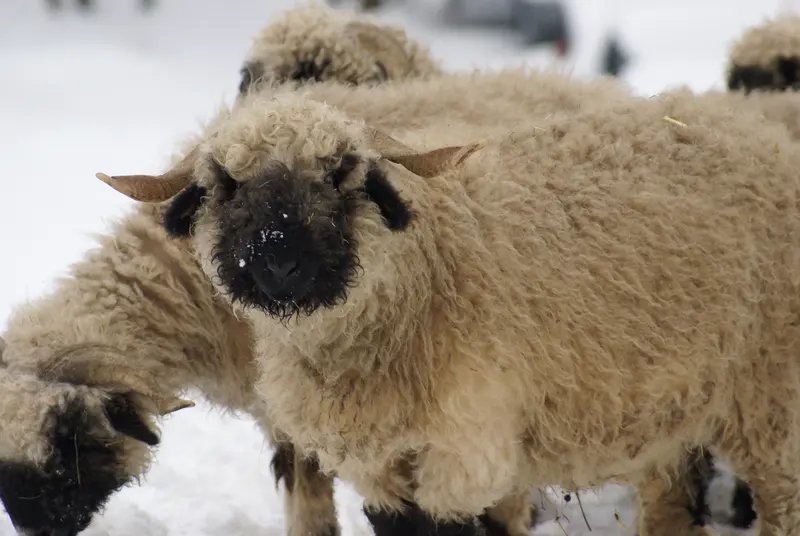
Blacknose Sheep in Zermatt
Where and when to meet the Valais Blacknose — the curly-horned, black-faced sheep of the Matterhorn valley — and how to watch them with respect.
Read guide
Charles Kuonen Suspension Bridge
How to reach and walk the Charles Kuonen suspension bridge above Randa near Zermatt — rail access, the climb from the valley, the bridge itself, head-for-heights notes and weather sense.
Read guide
Easy Walks in Zermatt
Gentle, low-effort walks in and above Zermatt — the village and riverside, the Furi forest, Riffelalp's level paths and the Sunnegga-area strolls — for non-hikers, families and mixed-ability groups.
Read guide