
Best hotels in Zermatt
How to choose the right Zermatt hotel for you, read by what actually matters in a car-free alpine village — Matterhorn views, lift access, spa quality, family fit, romance, budget and season — rather than by star count alone.

Photo: Gabriel Garcia Marengo / Unsplash
- ✓Zermatt is car-free and walkable end to end, so the 'best' hotel is less about a single ranking than about matching the place to your trip — the view, the lift, the spa or the budget you care about most.
- ✓Decide your one non-negotiable first: a Matterhorn-view room, ski-in convenience, a serious spa, a family-friendly layout, or a quiet boutique character. Everything else flows from that.
- ✓Location is the quiet decider in a village with no cars — proximity to the lift you'll use, the Bahnhofstrasse for dining, or a calmer edge like Winkelmatten matters more than it would anywhere with a road.
- ✓Names, prices and facilities change — treat this as a way to filter and weigh, then verify availability and current rates directly with the hotel before booking.
There is no single 'best' hotel in Zermatt — there's the best one for your trip
Search for the best hotel in Zermatt and you'll get a hundred confident lists, most of them ranking the same grand names in a slightly different order. That's not very useful, because Zermatt isn't a place you experience through a hotel's star count. It's a car-free village at 1,608 metres, hemmed into a narrow valley beneath a 4,478-metre peak, and the thing that defines a stay here is not the marble in the lobby but where the front door opens, what you see from the window, and how short the cold walk to the lift is on a January morning. The honest answer to 'which is best' is another question: best for what, and for whom?
So this guide is built as a set of filters rather than a leaderboard. We'll work through the levers that actually shape a Zermatt stay — Matterhorn views, lift and ski access, spa and wellness, family fit, romance, character versus scale, budget, and season — and help you decide which one or two matter most to you. Pick your non-negotiable, let it choose your location and hotel type, and the rest of the decision gets dramatically easier. Throughout, we keep to evergreen truths about the village and send you to the dedicated guides for each angle; we don't quote prices or rank brands, because both date quickly and the right base is personal.
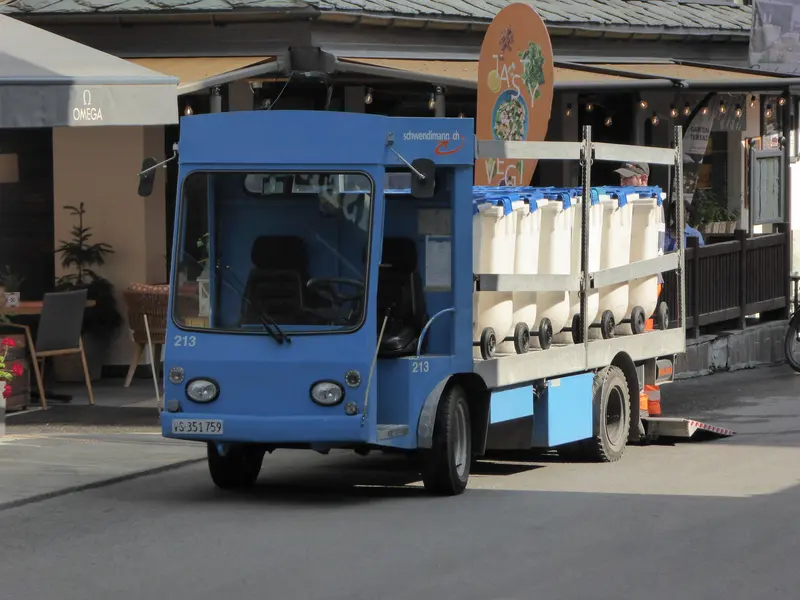
One framing helps more than any list: Zermatt is small enough to cross on foot in fifteen or twenty minutes, and there are no combustion cars in it at all — only the silent electric carts that meet the train and ferry guests through the lanes. That means almost any hotel is 'central' in absolute terms, yet position still matters enormously, because in ski boots or at dawn the difference between a two-minute glide to the lift and a ten-minute trudge is the difference between an easy week and a tiring one. Read every hotel through that lens.
At a glance — how to choose your Zermatt hotel
Use these as filters, in roughly this order. Decide your single most important factor first, then let it narrow location and hotel type before you compare individual properties. Treat all names, prices and facilities as evergreen — confirm directly with the hotel and verify current rates before you book.
- Your non-negotiable: pick one — Matterhorn view, lift access, spa, family fit, romance, boutique character, or budget. It anchors every other choice.
- Location in a car-free village: near your home lift for early starts, on or off the Bahnhofstrasse for dining and buzz, or a quiet edge like Winkelmatten for calm.
- Hotel type: grand spa hotel, design-led boutique, family-run chalet, self-catering apartment — each suits a different trip and budget.
- Season: winter prizes lift access and a spa; summer prizes balconies, terraces and walkability; shoulder seasons are quieter and often better value.
- View reality: a true Matterhorn-facing room costs more — be honest about whether you'll be in the room at sunrise to enjoy it.
- The Täsch tradeoff: staying down-valley in Täsch trades the full car-free village for easier parking and a roughly 12-minute shuttle — usually only worth it if a car and budget dominate.
- Verify everything: rates, facilities, shuttle coverage and view claims all vary — confirm with the hotel before booking.
Start with location — in a car-free village it does most of the work
Before you compare hotels at all, fix where in the village you want to be, because position quietly determines how the whole stay feels. Zermatt strings out along a single valley floor, with the Bahnhofstrasse — the main pedestrian street — running from the station southward through the heart of it. The skiing climbs out of three points: the Sunnegga funicular at the north end, the Gornergrat railway from beside the main station, and the Matterhorn Glacier Paradise and Furi side from the southern, upper end of the village. Quieter residential pockets like Winkelmatten sit on the edges, a few minutes' walk from the centre but a world calmer.
If skiing is the point of the trip, choose your hotel by which lift base you'll use most and minimise the cold walk to it. If dining, shopping and evening atmosphere matter more, a hotel on or just off the Bahnhofstrasse puts everything at the door — though it can be lively at night. If you want hush and a sense of village life rather than tourism, the southern and eastern edges around Winkelmatten and the old Hinterdorf trade a few minutes' walk for real calm. And if you genuinely can't decide, a central position near the station keeps every lift, the shops and the restaurants within easy reach — the most flexible base of all.
Whatever you choose, remember the car-free reality cuts both ways. There's no parking to factor and no road noise anywhere, but there's also no driving up to a slope-side door — so the hotel's electric shuttle cart, which can meet you at the train and shorten the morning trip to the lift, becomes a genuine feature worth asking about. Position plus shuttle, not stars, is what makes a Zermatt hotel convenient.
 The BahnhofstrasseThe main pedestrian street — the dining, shops and evening energy you'd be staying on or near.
 Zermatt village guideHow the village is laid out — the centre, the old Hinterdorf and the quieter edges like Winkelmatten.
 Ski-in/ski-out hotelsWhat ski-in/ski-out really means in a car-free village, and which lift-base positions come closest.
If the Matterhorn view is your non-negotiable
For many people the entire reason to choose Zermatt over any other resort is the Matterhorn itself, and waking to it is the trip's headline. A room that genuinely faces the Horu — and on a clear dawn watches it turn pink with alpenglow before the rest of the valley wakes — is Zermatt's signature indulgence. If that image is what you came for, make the view your primary filter and accept that it narrows your options and raises the price.
Two honest cautions, though. First, 'Matterhorn view' is used loosely; a partial or distant glimpse past other rooftops is not the same as a clean, framed, balcony-facing view, so ask the hotel for specifics — which room categories truly face the peak, and whether the view is full or partial. Second, be realistic about when you'll actually use it. The alpenglow happens at sunrise; if you're a skier out the door at first lifts, or a hiker chasing the morning light from a trail, you may be paying a premium for a view you're rarely in the room to enjoy. For couples on a slow romantic trip it can be the whole point; for an active family it may be money better spent on space.
 Matterhorn-view hotelsWhich hotels and room categories actually face the peak, the balcony angles, and the price tradeoffs.
 Matterhorn sunrise & sunsetWhen and where the peak catches its pink alpenglow — the case for, or against, paying for a view room.
 Matterhorn viewpointsEvery angle on the Horu by altitude — useful if you'd rather chase the view on the mountain than book it.
If a serious spa is what you're after
Zermatt's grander hotels treat wellness as a centrepiece, and after a cold day at altitude — whether skiing the glacier or walking a high trail — a sauna, steam room and warm pool stop being a luxury and become the thing that lets you do it all again tomorrow. If a real spa matters to you, make it a primary filter rather than an afterthought, because the gap between a token wellness corner and a proper spa with treatments, a pool and perhaps the Matterhorn framed in the window is enormous.
When you compare, look past the word 'spa' to what's actually included for guests: which facilities are free with the room and which are extra, whether the pool is indoor, outdoor or both, and whether treatments need booking ahead in high season. A spa is also one of the few hotel features that earns its keep in any weather — on a storm day when the lifts are shut or the trails are socked in, it can quietly save the trip. For that reason it's often the smartest splurge of all, ahead of the view, because you'll use it every single day.

If you're travelling as a family
Families weigh Zermatt differently, and the right hotel makes the difference between an easy week and a logistical grind. The priorities shift toward practical things: family rooms or connecting rooms, dining that flexes around early bedtimes (half-board can be a quiet win here), a generous boot and gear room in winter, and proximity to the gentler Sunnegga side where the learning terrain and ski-school meeting points are. A hotel that's glamorous but awkward to reach with tired children and a pile of gear is the wrong choice no matter how good its reviews.
The car-free village is, in fact, a gift for families — no traffic to worry about means children can roam the lanes more freely than almost anywhere — but it also means you'll be moving everyone and everything on foot or by electric cart, so a short, simple route between hotel, lift and ski school matters enormously. Ask specifically about family rooms, childcare or kids' clubs if you need them, and how the hotel handles its shuttle for guests with young children. The Sunnegga side and the north end of the village tend to suit families best for exactly these reasons.

If it's a romantic trip — and if you want character over scale
For couples, Zermatt's appeal is the same thing that defines the whole village: restraint. The luxury here is larch and stone, a spa with the peak in the window, a long terrace lunch, and the hush of a place with no traffic at all. A romantic base usually means weighting the view and the wellness most heavily, choosing somewhere intimate over somewhere vast, and leaning toward the central or quieter edges of the village where the evenings feel calm. The grand hotels do this beautifully, but so do many smaller chalet-style and boutique places, often with more warmth and less formality.
That's the other axis worth naming: character versus scale. Some travellers want the full grand-hotel experience — the spa, the service, the dining rooms — while others would trade all of it for a design-led or family-run hotel with fifteen rooms, a fire in the lounge, and a sense that someone actually owns the place. Neither is better; they're different trips. If you want intimacy, individuality and a strong sense of place over the polish and predictability of a big hotel, the boutique and chalet-style end of Zermatt is where to look, and it's often where the village's real personality lives.
 Romantic hotels in ZermattSunrise rooms, intimate suites and the quietly indulgent stays built for two.
 Boutique hotels in ZermattDesign-led, chalet-style and intimate stays for travellers who want character over scale.
 Romantic & luxury ZermattThe couples-first side of the village — sunrise rooms, spas and the case for slowing down.
If budget — or the Täsch tradeoff — is driving the decision
Zermatt is not a cheap village, but the spread is wider than the headline grand hotels suggest. Below the luxury tier sit plenty of comfortable mid-range and family-run hotels, simple bed-and-breakfasts, and self-catering apartments and chalets that can make a longer stay or a group trip far more affordable — especially if you cook a few meals rather than eating out every night in a high-season village. If budget is the lever, widen your search beyond hotels to apartments, look hard at the shoulder seasons, and remember that a slightly less central position a few minutes' walk further out can cost noticeably less while still being walkable.
The bigger budget question for many is whether to stay in the village at all, or down-valley in Täsch. Täsch is where the public road ends and where the big covered car park sits; from there the shuttle runs into Zermatt in roughly twelve minutes. Staying in Täsch trades the whole point of Zermatt — waking up inside a silent, car-free alpine village — for easier, cheaper parking and often lower room rates. For most visitors that's the wrong trade: the car-free village is the experience, and you can park in Täsch for the day and ride up either way. But if you're road-tripping the Alps with a car you can't easily abandon, or the budget genuinely won't stretch to a village hotel, Täsch is a reasonable fallback. Decide that question first, because it changes everything downstream.
Read the season before you book
The same hotel can be the right or wrong choice depending on when you go, so let the season tune your filters. In winter, the essentials are unglamorous but decisive: a heated boot room, secure ski storage, an easy route to your home lift, and a shuttle to bridge the cold gap. A spa moves up the priority list because you'll crave it after the glacier, and a view room competes with first-lift mornings for your attention. Winter is also peak season and the busiest, highest-priced time, so book early and confirm exactly what each hotel offers for skiers.
In summer, the calculus flips. Boot rooms don't matter; balconies, terraces and walkability do. A south- or peak-facing terrace for a long evening with a glass of something, easy access to the lifts and trails, and a central position for dining all rise in importance. Summer is generally a little gentler on the wallet than the deep winter weeks, and the village feels more relaxed. The shoulder seasons — late autumn, when the larches turn gold, and early winter before the crowds — are quieter and often better value, with the obvious caveat that some lifts, trails and mountain restaurants run reduced or paused schedules, so verify what's open before you commit. Match the hotel's strengths to the season you're actually travelling in, and a good stay becomes a great one.


Putting it together — a simple method
Here is the whole decision in one path. First, name your single non-negotiable: the Matterhorn view, lift access, the spa, family ease, romance, boutique character, or budget. Second, let that choose your location in the village — near a lift, on the Bahnhofstrasse, or out on a quiet edge — remembering that in a car-free village position plus the hotel shuttle matters more than star count. Third, choose your hotel type, from grand spa hotel to design-led boutique to family chalet to self-catering apartment, to match both your trip and your budget. Fourth, tune all of it to the season you're travelling in. Then, and only then, compare individual properties.
Two principles hold across every choice. The first is honesty: be realistic about how you'll actually spend your days, because the view you won't be in the room to see, or the central buzz you'll find too loud at night, is money and comfort misspent. The second is verification: names, prices, facilities, shuttle coverage and view claims all change, and the official tourism listings and the hotels themselves are the only reliable sources for the current picture. Filter with this guide, then confirm the specifics directly before you book — and you'll arrive at the best hotel in Zermatt for your trip, which is the only 'best' that matters.
 Luxury hotels in ZermattThe top-end picture — grand hotels, spa retreats, design stays and discreet high-end bases.Matterhorn-view hotelsThe view-first picks, with realistic balcony angles and price tradeoffs.
 Family hotels in ZermattThe family-first picks, near the gentle Sunnegga side and ski school.
Best hotels in Zermatt — frequently asked questions
Quick answers for choosing a base. Treat names, prices and facilities as evergreen and confirm directly with the hotel before booking.
- Which is the best hotel in Zermatt? There's no single best — there's the best for your trip. Decide your one non-negotiable (view, lift, spa, family, romance, boutique, budget), and let it choose the hotel.
- Does location really matter in a car-free village? Yes — being near your home lift, on the Bahnhofstrasse for dining, or on a quiet edge changes the whole stay, and the hotel's electric shuttle matters more than the star count.
- Is a Matterhorn-view room worth it? It's Zermatt's signature splurge and magical at sunrise — worth it if you'll be in the room to enjoy the alpenglow, less so if you're out the door at first lifts.
- Where should families stay? Toward the Sunnegga side and the north end, near ski school and gentle terrain, with family rooms, a good boot room and a reliable shuttle.
- Should I stay in Täsch to save money? Usually no — Täsch trades the whole car-free village experience for parking and lower rates; it's mainly worth it if you can't part with a car or the budget won't stretch to the village.
- What's the best season to visit? Winter for skiing and a spa; summer for terraces, trails and walkability; the shoulder seasons are quieter and often better value, but check what lifts and trails are open.
- Hotel or apartment? Hotels for service, spa and dining; self-catering apartments and chalets for longer stays, groups and tighter budgets.

Where to Stay in Zermatt
Area-by-area advice for choosing a base in car-free Zermatt — station convenience, Matterhorn views, ski-lift access, quiet corners, families, luxury and the Täsch tradeoff — from Walliser chalets to grand hotels.
Read guideLuxury hotels in Zermatt
What luxury really means in a car-free alpine village — grand spa hotels, design-led stays, chalet suites and discreet high-end bases in Zermatt — and how to choose between scale, view, spa and seclusion.
Read guideMatterhorn-view hotels in Zermatt
How to actually book a Matterhorn view in Zermatt — which room categories genuinely face the peak, the balcony and sunrise angles, the partial-view trap, and the honest price tradeoff of waking to the Horu.
Read guideMore in Where to Stay
6
Accessible hotels in Zermatt
How to choose a step-free base in a car-free alpine village — what to ask about lifts and elevators, where to stay for an easy station transfer and e-bus access, how winter surfaces change the picture, and the questions that matter more than the star rating.
Read guide
Best Area to Stay for a First Visit
The simplest possible area guide for first-timers choosing a base in car-free Zermatt — village centre, quiet Winkelmatten, near the ski lifts, or budget-friendly Täsch — with a plain recommendation for each kind of trip.
Read guideBoutique hotels in Zermatt
Design-led, chalet-style and intimate village-centre hotels in Zermatt — for travellers who want character, individuality and a strong sense of place over the scale and polish of a grand hotel.
Read guide
Budget hotels in Zermatt
How to stay in Zermatt for less — value hotels and guesthouses, hostels and dorms, self-catering apartments, the Täsch tradeoff, and the timing and habits that bring an expensive Swiss resort within reach without leaving the mountain behind.
Read guide
Chalets & apartments in Zermatt
When to choose a chalet, apartment or serviced residence over a hotel in Zermatt — the kitchen, the space and the privacy you gain, what you give up on service and dining, and the car-free luggage, ski-storage and check-in logistics to settle before you book.
Read guideFamily hotels in Zermatt
How to choose a Zermatt hotel that genuinely works for families — proximity to ski school and the gentle Sunnegga side, family rooms and connecting doors, a kid-friendly pool, flexible dining, a kitchen when you need one, and easy luggage in a car-free village.
Read guide