
Luxury hotels in Zermatt
What luxury really means in a car-free alpine village — grand spa hotels, design-led stays, chalet suites and discreet high-end bases in Zermatt — and how to choose between scale, view, spa and seclusion.

Photo: Alexei Wilhelm / Unsplash
- ✓Zermatt's luxury is restraint, not flash — larch and stone, a spa with the peak in the window, and the hush of a village with no traffic at all.
- ✓The top tier splits into broad characters: grand historic spa hotels, contemporary design-led stays, and intimate chalet-style suites — each a different kind of indulgence.
- ✓The signature splurge is a Matterhorn-facing room that turns pink at first light; the smartest one is often a serious spa you'll use every day.
- ✓Names, rates and facilities change — treat this as a way to weigh the choices, then verify directly with the hotel before booking.
What luxury actually means in Zermatt
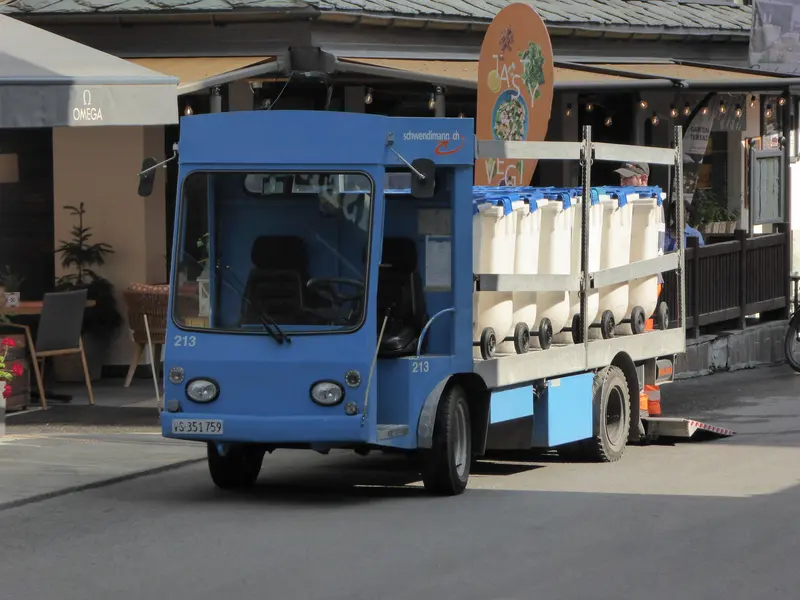
Luxury in Zermatt is quieter than the word usually implies. There is no gleaming resort strip, no valet parking, no motor at all — the village has banned combustion engines since 1961, and the grandest hotels are reached by the same silent electric carts that meet every guest at the train. So the high-end experience here is built less on spectacle than on materials, craft and calm: hand-finished larch and Valais stone, a spa with the Matterhorn framed in the steam-room glass, a long terrace lunch in mountain light, and the particular hush of a place where the loudest sound after dark is church bells and your own footsteps. That restraint is the point. Zermatt's best hotels feel less like they're shouting their stars and more like they're letting the mountain do the talking.
Because of that, choosing a luxury hotel here is less about ticking a star count than about deciding which kind of indulgence you want. The top tier divides into a few broad characters — grand historic spa hotels, contemporary design-led stays, and intimate chalet-style suites — and the right one depends on whether you're chasing scale and service, a view, a spa, or seclusion. This guide walks those choices, keeping to evergreen truths about the village rather than ranking brands or quoting prices, both of which date quickly.

At a glance — choosing a luxury Zermatt hotel
Decide which of these matters most to you, then let it choose the hotel. Treat names, rates and facilities as evergreen — confirm directly with the hotel and verify current pricing before you book.
- Character: grand historic spa hotel, contemporary design stay, or intimate chalet-style suite — pick the kind of luxury you want.
- The view: a true Matterhorn-facing room is the signature splurge; ask which categories genuinely face the peak, full or partial.
- The spa: at this tier, expect a real spa — pools, saunas, treatments — and check what's included for guests versus extra.
- Service and scale: grand hotels offer full service, dining rooms and a concierge; smaller luxury stays trade scale for warmth and individuality.
- Seclusion: some high-end bases sit above the village (reached by lift or railway) for privacy and quiet over walkable convenience.
- Location in a car-free village: even at the top end, proximity to the lift, the Bahnhofstrasse or a calm edge matters — the cart does the rest.
- Verify: rates, facilities and view claims vary — confirm with the hotel before booking.
The three characters of high-end Zermatt
The grand historic spa hotels are the village's old guard — large, full-service establishments, often on or just above the Bahnhofstrasse, pairing serious spas and several dining rooms with the polish of long-established service. This is luxury at scale: a concierge who can arrange the private cog ride at dawn, a wine list, a pool with the peak in the window, and the reassuring competence of a big team. Choose this character if you want to be looked after completely and value the depth of facilities that only a large hotel can carry.
The contemporary design-led stays are the newer voice — architecturally striking, lighter on tradition, heavier on materials, sightlines and a curated sense of place. They often feel more personal than the grand hotels while still delivering a real spa and a high standard of service. Choose this character if you want luxury that feels current and individual rather than classic, and if the design of the room matters to you as much as the view from it.
The intimate chalet-style suites are the most personal tier — smaller properties, sometimes a handful of suites or a private chalet, where the luxury is seclusion, space and the sense that the place is yours. Some come with their own kitchen, staff, or a fireside lounge that feels like a private home. Choose this character for a romantic trip, a special occasion, or a group that wants privacy over the bustle of a big hotel. Across all three, the village's restraint holds — none of it shouts, all of it leans on the mountain.

The view, the spa and the seclusion — which splurge to choose
At this tier you can usually have most things, so the real question is which indulgence to prioritise when budgets or room categories force a choice. The signature splurge is the Matterhorn-facing room. On a clear dawn the Horu turns pink before the rest of the valley wakes, and watching it from your own bed is, for many, the whole reason to spend at the top end. But ask precisely which room categories truly face the peak — full balcony view versus a partial glimpse past rooftops — and be honest about whether you'll be in the room at sunrise to use it.
The smartest splurge, for many travellers, is the spa rather than the view. A serious spa — proper pools, saunas, steam, treatments, ideally with the mountain in the glass — is the one luxury you'll use every single day, in any weather, and it's what turns a hard day at altitude into deep sleep. On a storm day it can quietly save the trip. The third option is seclusion: a small number of high-end bases sit above the village, reached by lift or the railway, trading walkable convenience for privacy, silence and a view nobody else has. That's a particular kind of luxury — wonderful for a honeymoon or a digital detox, less ideal if you want the Bahnhofstrasse at your door. Decide which of the three matters most and the choice narrows fast.
 Spa hotels in ZermattWhere the wellness is the point — the pools, saunas and treatment rooms worth choosing a hotel for.
 Matterhorn-view hotelsWhich hotels and room categories actually face the peak, the balcony angles and the price tradeoffs.
 Matterhorn sunrise & sunsetWhen the peak catches its pink alpenglow — the case for, or against, paying for a view room.
Location and season at the top end
Even luxury hotels are shaped by Zermatt's car-free geography. There's no driving up to a slope-side door, so position still matters: a grand hotel on or just above the Bahnhofstrasse puts the village's dining and shops within a stroll, while a secluded base above the village trades that for privacy and a private-feeling view. Wherever you stay, the hotel's electric shuttle does the heavy lifting between door, station and lift — at this tier it's usually a given, but it's worth confirming, especially for a winter ski week when a warm two-minute glide to the lift beats a cold walk in ski boots.
Season tunes the experience, too. Winter is peak — the busiest, highest-priced and most glamorous time, when the spa earns its keep and a view room competes with first-lift mornings for your attention; book well ahead. Summer is gentler and often a touch better value, with terraces, balconies and long mountain evenings rising in importance over boot rooms. The shoulder seasons — the golden-larch weeks of late autumn especially — are quieter and can be the most romantic of all, with the caveat that some lifts, trails and even hotel facilities run reduced schedules, so verify what's open before you commit. Match the hotel's strengths to when you're travelling and the luxury lands fully.

Luxury hotels in Zermatt — frequently asked questions
Quick answers for the top-end traveller. Treat names, rates and facilities as evergreen and confirm directly with the hotel before booking.
- What does luxury mean in Zermatt? Restraint and craft over flash — larch and stone, a serious spa, a Matterhorn view, and the calm of a car-free village reached by silent electric cart.
- Grand hotel or boutique? Grand hotels for scale, service and deep facilities; design-led and chalet-style stays for warmth, individuality and seclusion. Different trips, both luxurious.
- Is a Matterhorn-view room worth the premium? It's the signature splurge and magical at dawn — worth it if you'll be in the room for the alpenglow, less so if you're out early on the mountain.
- View or spa, if I must choose? Many travellers find the spa the smarter splurge — you'll use it every day in any weather — while the view is the more romantic one.
- Do luxury hotels handle the car-free logistics? Yes — at this tier expect an electric shuttle meeting the train and serving the lifts; confirm coverage, especially for a winter ski week.
- When is the best time to come? Winter for skiing and glamour, summer for terraces and value, the golden-larch autumn weeks for quiet romance — check what's open in the shoulder seasons.

Where to Stay in Zermatt
Area-by-area advice for choosing a base in car-free Zermatt — station convenience, Matterhorn views, ski-lift access, quiet corners, families, luxury and the Täsch tradeoff — from Walliser chalets to grand hotels.
Read guide
Best hotels in Zermatt
How to choose the right Zermatt hotel for you, read by what actually matters in a car-free alpine village — Matterhorn views, lift access, spa quality, family fit, romance, budget and season — rather than by star count alone.
Read guideSpa hotels in Zermatt
How to choose a Zermatt spa hotel by what wellness actually means on a cold mountain trip — sauna and steam after a day at altitude, a warm pool with the Matterhorn in the window, treatment depth, and the difference between a couples' retreat and a family-friendly pool.
Read guideMore in Where to Stay
6
Accessible hotels in Zermatt
How to choose a step-free base in a car-free alpine village — what to ask about lifts and elevators, where to stay for an easy station transfer and e-bus access, how winter surfaces change the picture, and the questions that matter more than the star rating.
Read guide
Best Area to Stay for a First Visit
The simplest possible area guide for first-timers choosing a base in car-free Zermatt — village centre, quiet Winkelmatten, near the ski lifts, or budget-friendly Täsch — with a plain recommendation for each kind of trip.
Read guide
Boutique hotels in Zermatt
Design-led, chalet-style and intimate village-centre hotels in Zermatt — for travellers who want character, individuality and a strong sense of place over the scale and polish of a grand hotel.
Read guide
Budget hotels in Zermatt
How to stay in Zermatt for less — value hotels and guesthouses, hostels and dorms, self-catering apartments, the Täsch tradeoff, and the timing and habits that bring an expensive Swiss resort within reach without leaving the mountain behind.
Read guide
Chalets & apartments in Zermatt
When to choose a chalet, apartment or serviced residence over a hotel in Zermatt — the kitchen, the space and the privacy you gain, what you give up on service and dining, and the car-free luggage, ski-storage and check-in logistics to settle before you book.
Read guide
Family hotels in Zermatt
How to choose a Zermatt hotel that genuinely works for families — proximity to ski school and the gentle Sunnegga side, family rooms and connecting doors, a kid-friendly pool, flexible dining, a kitchen when you need one, and easy luggage in a car-free village.
Read guide