
Zermatt couples weekend
A two-night couples plan for Zermatt — a slow car-free arrival, a peak-view room, a dawn cog ride or mirror lake, a long mountain lunch, a shared spa and unhurried village evenings, with a clear-weather strategy built in.

Photo: Oliver Schmid / Unsplash
- ✓Two nights is enough for a complete couples' weekend in Zermatt if you keep one big outing flexible for the clearest morning.
- ✓The shape is simple: arrive slow and car-free, anchor the trip with a peak-view room and a shared spa, and pick one headline viewpoint rather than chasing them all.
- ✓Build the plan around weather, not a fixed schedule — the Matterhorn is a clear-weather gift, so leave the dawn outing movable.
- ✓Treat all hours, prices and timetables as evergreen — confirm lift times, restaurant bookings and spa hours directly before you lock the days.
How to plan a two-night couples' weekend in Zermatt
A couples' weekend works best when the plan is loose enough to follow the weather and tight enough that you never waste a clear morning deciding what to do. Zermatt makes this easy: it's small, car-free and walkable, so logistics barely exist once you've arrived, and almost everything romantic here is a variation on the same theme — the Matterhorn, framed well, somewhere quiet. The strategy below is a step-by-step weekend, but treat the steps as a kit rather than a timetable. The one rule that matters is to keep your single headline outing — a dawn cog ride or a mirror lake — flexible, so you can spend it on the clearest forecast.
Everything else is about pacing for two. Anchor the weekend with a peak-view room and a quiet spa, eat one long mountain lunch and one slow village dinner, and leave real gaps for doing nothing. Two nights sounds short, but in a place this compact it's enough for a complete, unhurried trip — provided you resist the urge to schedule every hour. Below, the weekend is broken into steps you can reorder around the weather and your arrival time.


At a glance — the couples' weekend kit
The building blocks of the weekend in one place. Reorder them around the weather and your arrival. Treat all hours, prices and timetables as evergreen and confirm directly.
- Base: a quiet, peak-view room with a balcony, ideally with a shared spa — the anchor of the whole weekend.
- Arrival: come by train into the car-free village; no parking, no car, an instantly slower pace.
- Headline outing (flexible): a dawn Gornergrat cog ride, or an early walk to Stellisee or Riffelsee for the mirror reflection.
- Long lunch: a sun-trap terrace at Findeln with the Matterhorn over the table.
- Slow evenings: a candlelit fondue or raclette stube, a stroll along the Bahnhofstrasse, and the spa at dusk.
- Weather rule: keep the dawn outing movable; have a warm indoor plan (spa, dining, village wander) for a grey morning.
- Season note: shoulder seasons are quietest and best value; winter adds sleigh rides and snow-hush; summer adds the longest light.
Step 1 — Arrive slow, settle in, and read the forecast
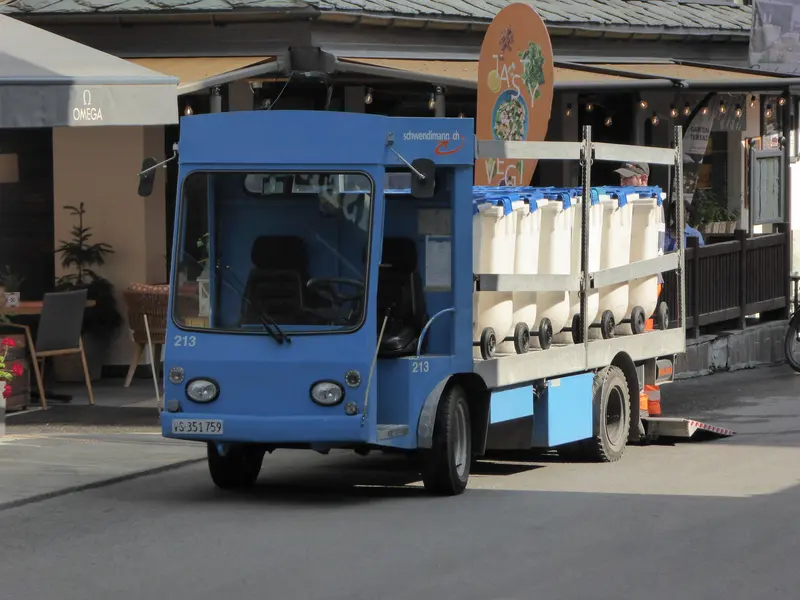
Start the weekend the way the village wants you to: by rail. The public road ends at Täsch, so you'll arrive either by the short shuttle from the Matterhorn Terminal or, more relaxing still, entirely by train via Visp and Brig. Either way you step into a place with no cars — no traffic, no parking, just footsteps and the river — and the decompression starts before you've unpacked. Your hotel will usually meet the train with a silent electric cart. Drop your bags, take a first walk along the Bahnhofstrasse, and get your bearings; the village is small enough to learn in an evening.
The most important task of arrival day is to look at the next two mornings' weather. Zermatt's romance depends on a clear peak, so check the forecast and the lift status and decide which morning to spend on your headline outing. If tomorrow looks clear and the day after grey, take the dawn outing tomorrow and keep the spa-and-village day for the cloud. If it's the other way round, flip it. This single piece of planning — matching your best outing to your best morning — does more for the weekend than any amount of detailed scheduling.

Step 2 — The headline morning: a dawn cog ride or a mirror lake
On your clearest morning, take the one big outing. The classic is the Gornergrat cog railway, which has climbed the rack since 1898 and lifts you to an open-air station at 3,089 m, level with the Matterhorn and ringed by 29 four-thousanders. Go on an early train for the cleanest light and the thinnest crowds, sit on the right going up for the peak, and give yourselves time on the terrace before the day fills in. It is the single clearest, most romantic introduction to the geography of the valley, and it suits any fitness level because the train does the work.
If you'd rather walk than ride, the mirror lakes are the alternative. Stellisee, reached via Sunnegga and Blauherd, and Riffelsee, just below Rotenboden on the Gornergrat line, both reflect the Matterhorn on a still, early morning before the wind ruffles the surface. They're easy half-day outings by lift-and-walk and deliver one of the most photographed romantic frames in the Alps. Whichever you choose, this is the outing to keep flexible: a still, clear dawn makes it; a grey or breezy one means you swap it for the spa-and-village day and try again.


Step 3 — A long mountain lunch and a slow afternoon
After the headline outing, slow right down. The signature Zermatt afternoon is a long lunch on a sun-trap terrace, and the classic address is Findeln, the hamlet above the village where a cluster of terraces look straight at the Horu. Book ahead in season, pick a table where the mountain is the view, and let lunch stretch — this is the most relaxed, most romantic couple of hours the village offers, and it's the antidote to a busy morning. The terraces are reachable by lift and a short walk, so it folds neatly into a day that started at altitude.
From there, the afternoon belongs to the two of you. Wander back down through the larches, browse the Bahnhofstrasse, or simply head back to the room and the spa. If wellness is part of your weekend, a quiet wellness floor at dusk — ideally with adults-only hours and the peak in the window — is the best possible counterweight to the morning's altitude and the long lunch. The goal of the afternoon is deliberately to do very little; in a place this beautiful, that's the luxury, and it's exactly what a two-night weekend is for.


Step 4 — A slow village evening, and a flexible second day
Evenings are where Zermatt's car-free hush pays off. Dinner is half the romance: a candlelit stube for a long fondue or raclette, a fine-dining room for an occasion, or a quiet table reached by a short walk through a village with no traffic. Book ahead in high season — the best tables fill fast — and consider half-board if you'd rather not decide each night. Afterwards, the loveliest thing you can do is simply walk: the Bahnhofstrasse lit warmly, the Matterhorn pale above the rooftops, and the deep quiet of a place where the only sounds are footsteps and the river.
Your second full day flexes around the weather you didn't use on day one. If your headline outing was clouded out, this is your second chance at the cog or the lake; if it went perfectly, spend day two gently — an easy walk to Leisee or along the river, a museum hour if it's grey, a sleigh ride in winter, or just more terrace time. Then check out the slow way you arrived: the train back, the valley unspooling beneath you, the weekend ending without a single car journey. The whole trick of a Zermatt couples' weekend is this — anchor it with a room, a lunch and a spa, gamble one flexible morning on a clear peak, and let the village's quiet carry everything else.


Zermatt couples' weekend — frequently asked questions
Quick answers for planning the two nights. Treat all hours, prices and timetables as evergreen and confirm directly.
- Is two nights enough for Zermatt as a couple? Yes — the village is compact and car-free, so two nights covers a peak-view room, one headline outing, a long lunch, a spa and slow evenings.
- What's the single best outing? A dawn Gornergrat cog ride to the open-air station at 3,089 m, or an early walk to Stellisee or Riffelsee for the mirror reflection.
- How do we handle bad weather? Keep the dawn outing flexible across both mornings and have a warm indoor plan — spa, dining, village wander — for the grey one.
- When should we go? Shoulder seasons are quietest and best value; winter adds sleigh rides and snow-hush; summer brings the longest light and fullest trails.
- Do we need a car? No — arrive by train into a car-free village; there's no parking, and the quiet is part of the romance.
- Should we book dinner ahead? In high season, yes — the most romantic stubes and fine-dining rooms fill fast; half-board removes the nightly decision.
- Is it walkable? Entirely — Zermatt is small enough to cross on foot, with silent electric carts and e-buses for bags and the lift bases.

Romantic hotels in Zermatt
How to choose a romantic Zermatt hotel for two — a sunrise room facing the Matterhorn, a quiet adults-focused spa, a cosy larch-and-stone chalet, and the hush of a car-free village where the peak settles every evening.
Read guide
Zermatt honeymoon guide
How to build a Zermatt honeymoon — a peak-view room, a quiet spa, the Glacier Express arrival, mountain-terrace lunches and a private experience or two — paced for slowness in a car-free alpine village beneath the Matterhorn.
Read guide
Proposal spots in Zermatt
Low-stress, high-romance places to propose in Zermatt — sunrise balconies, mirror lakes, mountain terraces, a private cog ride and a helicopter over the Horu — with the practical timing and weather backup that keep the moment calm.
Read guideMore in Romance & Luxury
6
Date night in Zermatt
How to build a romantic evening in Zermatt — a candlelit fondue or fine-dining dinner, a fireside cocktail, a quiet spa hour and a stargazing walk through the dark, silent, car-free streets.
Read guide
Luxury Zermatt experiences
The high-end side of Zermatt — grand hotels and private chalets, serious spas, fine dining, private mountain guides, scenic helicopter flights and the slow luxury of arriving by rail or the Glacier Express into a car-free village beneath the Matterhorn.
Read guide
Romantic restaurants in Zermatt
The romantic side of dining in Zermatt — Matterhorn-view terraces, candlelit larch stubes, a long fondue or raclette, fine-dining occasions and how to book the best tables for two.
Read guide
Romantic things to do in Zermatt
A couples' shortlist for Zermatt — sunrise alpenglow, mirror-lake walks, a dawn cog ride, long mountain lunches, spa afternoons, candlelit fondue and stargazing in a silent, car-free village.
Read guide
Scenic helicopter flights in Zermatt
How to think about a scenic helicopter flight around the Matterhorn — what you actually see, the weather risk that dominates the experience, how operators and routes work, the cost level, and who a flight genuinely suits.
Read guide
Spa & wellness in Zermatt
How spa and wellness works in Zermatt — hotel saunas, steam rooms and warm pools, the difference between a calm adults floor and a family pool, post-ski recovery, bad-weather days and day-guest access.
Read guide